GAF Healthcare

Radiation Oncology · Chennai

Radiation Oncology Cost in Chennai, India

Chennai currently has 15 GAF-listed treatment relationships across 4 related hospitals and 12 connected radiation oncologists. Selection depends on the diagnosis, patient-specific factors and verified capability at the named campus.

At a glance

City-specific pricing
2 verified
Available treatments
15
Listed radiation oncologists
12
Related hospitals
4
Represented technologies
10

Radiation Oncology · Chennai

Radiation Oncology in Chennai

Chennai currently has 15 treatment relationships, 4 related hospitals and 12 connected radiation oncologists represented by live GAF data.

Chennai's catalog entries sit across several hospital districts, some with relatively direct airport access, but airport convenience does not identify the radiation delivery site. The page shows clinicians and hospitals represented in the current GAF catalog for Chennai and inserts their live relationships separately from this editorial. Patients should establish whether consultation, CT simulation, daily treatment and any related review occur at the same campus before choosing accommodation or local transport.

Technique confirmation must come from the team reviewing the actual case. Send pathology, imaging files and prior radiation details, then ask the proposed clinician to document the technique, fractions, simulation site and exact Chennai campus. A general oncology listing, hospital-group name or live card does not prove that every branch provides the requested method or has a suitable slot. Match the clinical response against a written, itemized quotation and keep travel commitments flexible until both agree. Chennai's heat and humidity are practical considerations during a repeated outpatient course, but they do not change the need for individualized planning or local follow-up.

For national clinical context and the complete catalog, review Radiation Oncology costs and treatments in India.

Specialty overview

What is Radiation Oncology?

Radiation oncology is the medical specialty that uses ionising radiation to damage the DNA of abnormal cells while limiting dose to healthy tissue. A radiation oncologist is the physician who assesses whether radiation is appropriate, defines its intent, prescribes dose and fractionation, and manages treatment-related effects. External beam radiotherapy directs radiation from a machine outside the body; brachytherapy instead places a sealed source inside or close to the target for a steep, local dose fall-off.

Planning usually begins with simulation, often a treatment-position CT with a mask, vacuum cushion or other immobilisation. The radiation oncologist contours the tumour or postoperative target and organs at risk, sometimes fusing MRI or PET information; dosimetrists and medical physicists then calculate and quality-check the plan. Fractionation divides the prescribed dose into treatment sessions. Fraction size and schedule differ by disease, intent, normal-tissue tolerance, prior treatment and the patient's ability to attend.

Radiation may be used with curative intent as the main treatment, before or after surgery, or alongside systemic therapy. It can also be used palliatively to relieve symptoms such as pain, bleeding, obstruction or neurological pressure. Decisions often involve medical oncology, surgical oncology, radiology, pathology and site-specific specialists; transplant teams direct total body irradiation, while neurosurgery or ophthalmology may be central to intracranial or ocular cases.

Clinical scope

Conditions assessed or treated in Radiation Oncology in Chennai

A specialty can have diagnostic, medical, procedural, supportive or palliative roles. A diagnosis alone does not establish that any listed treatment is appropriate or represented at every Chennai hospital.

Selected intraocular tumours

An ocular plaque may suit selected tumours after specialist review of dimensions, location and stage.

Related treatment guides: Plaque Brachytherapy, Proton Beam Therapy

treatments

Radiation Oncology treatments represented in Chennai

The 15 current treatment records connected to Chennai are grouped by clinical approach. Every link opens a separate cost guide; a service or platform name is not a treatment recommendation.

External beam radiotherapy

Machine-delivered photon techniques range from three-dimensional fields to inverse-planned and image-verified courses.

Stereotactic radiation and radiosurgery

Highly focused treatment for selected small brain or body targets may be delivered on a conventional or named platform.

Brachytherapy and internal radiation

Sealed sources can be placed in a cavity, directly in tissue or against the eye, with applicator-specific planning.

Specialized radiation pathways

These pathways require indication-specific infrastructure and coordination with surgery or transplant care.

Compare

Radiation Oncology treatment costs in Chennai

2 rows use stored Chennai-specific ranges. Rows without verified city pricing request a personalized estimate instead of copying the India range.

External beam courses

Per prescribed treatment course

Compare the complete prescribed course, including simulation, planning, image guidance and the stated number of fractions.

Stereotactic treatment

Per target and prescribed course

Target count, fraction count, tracking, immobilisation and planning scope must match before prices are compared.

Brachytherapy

Per insertion, implant or prescribed course

The quotation must state insertion count, applicator or plaque, source handling, anaesthesia, theatre and admission.

Specialized protocols

Per named treatment episode

Proton, intraoperative and transplant-linked radiation require protocol-specific scope and cannot be compared as ordinary sessions.

treatmentWhat it is used forTypical course or stayPricing basisChennai costDetails
External Beam Radiotherapy (EBRT)External beam radiotherapy delivers radiation from a machine outside the body — usually a linear accelerator — so that a tumour or an area at risk can be treated without placing a source inside the patient.15–35 sessions typical · 4–7 weeksPer prescribed treatment course$1,000–$6,000View treatment
3D Conformal Radiotherapy (3D-CRT)3D conformal radiotherapy is a form of external-beam treatment that shapes radiation beams to the three-dimensional outline of a target using CT-based planning.15–35 sessions typical · usually outpatientPer prescribed treatment course$800–$2,400View treatment
Intensity-Modulated Radiotherapy (IMRT)IMRT is an external-beam technique that varies the intensity of many small beamlets so that a high dose can wrap a target while lowering dose to nearby organs.4–7 weeks of fractionsPer prescribed treatment coursePersonalized estimateView treatment
Image-Guided Radiotherapy (IGRT)IGRT uses imaging immediately before or during a radiation fraction so that the day's setup can be checked against the plan before the beam is delivered.4–7 weeks of fractionsPer prescribed treatment coursePersonalized estimateView treatment
Stereotactic Radiosurgery (SRS)Stereotactic radiosurgery delivers a high, tightly focused radiation dose to a small intracranial or selected skull-base target in one or a few sessions, using rigid immobilisation and precise imaging.1–5 sessionsPer target and prescribed coursePersonalized estimateView treatment
Stereotactic Body Radiotherapy (SBRT)SBRT delivers a high radiation dose to a small target outside the brain in one to five sessions, using tight margins, motion management and image guidance.1–5 sessionsPer target and prescribed coursePersonalized estimateView treatment
CyberKnifeCyberKnife is a robotic radiosurgery platform used to deliver stereotactic radiation to selected brain or body targets, often with image tracking during the session.1–5 sessionsPer target and prescribed coursePersonalized estimateView treatment
Gamma KnifeGamma Knife is a dedicated intracranial radiosurgery platform that focuses many beams on a small brain target, usually in a single session, using a stereotactic frame or mask.1 session typicalPer target and prescribed coursePersonalized estimateView treatment
BrachytherapyBrachytherapy places a radioactive source inside or next to the target so that a high dose can be given over a short distance, with a rapid fall-off away from the source.1–7 nightsPer insertion, implant or prescribed coursePersonalized estimateView treatment
Intracavitary BrachytherapyIntracavitary brachytherapy places a sealed source inside a natural body cavity — often the uterus, vagina or cervix — so dose is concentrated at the cavity wall and nearby target rather than delivered from a linac.1–7 nightsPer insertion, implant or prescribed coursePersonalized estimateView treatment
Interstitial BrachytherapyInterstitial brachytherapy places needles or catheters directly into tissue so a sealed source can dwell inside or around a tumour bed that a cavity applicator cannot cover well.2–8 nightsPer insertion, implant or prescribed coursePersonalized estimateView treatment
Plaque BrachytherapyPlaque brachytherapy is an ocular radiation method: a sealed-source plaque is sutured to the eye wall beside an intraocular tumour, left for a calculated dwell of several days, then surgically removed.3–7 nightsPer insertion, implant or prescribed coursePersonalized estimateView treatment
Proton Beam TherapyProton beam therapy is a form of external-beam radiation that uses protons, which deposit most of their dose at a defined depth (the Bragg peak) and then stop, reducing exit dose beyond the target.4–8 weeks of fractionsPer named treatment episodePersonalized estimateView treatment
Intraoperative Radiotherapy (IORT)Intraoperative radiotherapy delivers a single radiation dose in the operating room to an exposed tumour bed after the surgeon has removed the mass and while nearby organs can be moved or shielded.Tied to theatre stayPer named treatment episodePersonalized estimateView treatment
Total Body Irradiation (TBI)Total body irradiation is radiation given to the whole body, almost always as part of a haematopoietic stem-cell transplant conditioning protocol rather than as elective solid-tumour treatment.By transplant protocolPer named treatment episodePersonalized estimateView treatment

Indicative planning ranges, not guaranteed hospital quotations. The treating team confirms the clinical scope, billing basis, schedule, admission, monitoring and exclusions after review.

Clinical decisions

How is Radiation Oncology treatment selected?

No technique is universally preferable. Selection starts with tumour type, pathology, stage, site and intent; palliative, postoperative and ablative treatments have different goals. CT, MRI or PET defines disease extent and informs combinations with surgery or systemic therapy.

Target size, shape and motion, organ-at-risk geometry, required precision, previous dose and normal-tissue tolerance may favour conventional external beams, IMRT with IGRT, stereotactic treatment, brachytherapy or selected proton plans. A platform name does not replace this comparison.

Performance status, age, pregnancy possibility, comorbidities, ability to remain still, anaesthesia needs and capacity to complete treatment also matter. The radiation oncologist integrates patient factors with pathology and imaging, using multidisciplinary review when other cancer, transplant or organ-specific teams are relevant.

Treatment pathway

How Radiation Oncology treatment works

This specialty-specific pathway is configured from approved editorial content. The exact sequence changes with the diagnosis, selected treatment and patient factors. Patients travelling to Chennai should keep the schedule flexible until the treating team confirms evaluation, treatment and follow-up.

  1. 01

    Records review

    The team reviews pathology, staging images, operative notes, systemic therapy and complete prior radiation dose information.

  2. 02

    Consultation and MDT decision

    A radiation oncologist examines the patient, clarifies intent and alternatives, and seeks multidisciplinary input where needed.

  3. 03

    Simulation

    The patient is positioned reproducibly for planning CT, with immobilisation, contrast, motion assessment or preparation protocols as indicated.

  4. 04

    Target contouring

    The oncologist outlines target volumes and organs at risk, incorporating MRI, PET, pathology and surgical information when useful.

  5. 05

    Plan creation

    Dosimetrists and physicists calculate beam or source arrangements to meet the prescription and normal-tissue constraints.

  6. 06

    Plan review and quality assurance

    The clinical plan is checked, approved and subjected to technique-appropriate physics and machine quality assurance.

  7. 07

    Treatment delivery

    Fractions or implant insertions are delivered with identity, position and safety checks; image guidance is used when prescribed.

  8. 08

    On-treatment assessment

    The team monitors symptoms, skin, nutrition, blood tests and treatment tolerance, adjusting supportive care or replanning if clinically required.

  9. 09

    Completion and follow-up

    The patient receives a treatment summary, early toxicity advice, emergency instructions and a site-specific clinical and imaging follow-up plan.

Cost planning

Radiation Oncology cost in Chennai

2 treatments have a stored Chennai-specific range. Missing city prices remain personalized estimates; final pricing depends on the selected hospital, clinical plan, billing basis and written inclusions.

The displayed India amount is a dynamic GAF planning estimate, not a quotation. Confirm whether it covers a complete course, planning, one session, one insertion or only the radiation component of surgery or transplant. Session prices are misleading when fraction schedules differ.

An external beam estimate may include review, simulation, immobilisation, contouring, dosimetry, physics checks, image guidance, scheduled fractions and treatment reviews. MRI or PET fusion, fiducials, replanning, extra fractions, concurrent medicines and later scans may be separate.

Brachytherapy, plaque and IORT can add theatre, anaesthesia, applicators or implants, source logistics, insertion imaging and ward care. External beams are usually outpatient; implants, anaesthesia, transplant or surgery may require day-care or admission. Lodging and transport are generally separate.

What affects the final cost?

Technique
Conformal, modulated, stereotactic, proton and implant plans use different resources.
Fractions and targets
Session and target counts affect machine time, reviews and lodging.
Target geometry
Irregular targets near critical organs require more planning and quality assurance.
Image guidance
Daily imaging, surface guidance or tracking may be a separate line.
Motion management
Breath control, gating or tracking adds simulation and delivery work.
Previous radiation
Re-irradiation requires prior-dose reconstruction and cumulative tolerance review.
Planning imaging
MRI, PET-CT, motion CT or repeat simulation may be additional.
Immobilisation and fiducials
Custom supports or marker placement vary by site and technique.
Anaesthesia and theatre
Some paediatric, brachytherapy, plaque and IORT pathways need them.
Applicators and implants
Device type, needle count, fabrication and source handling affect cost.
Concurrent care
Systemic therapy, nutrition, medicines, monitoring and admission may be separate.

What may be included?

  • Radiation oncologist consultation and records review, if stated in the estimate
  • CT simulation and standard immobilisation for the quoted treatment site
  • Target and organ-at-risk contouring with treatment planning
  • Dosimetry, medical physics review and plan-specific quality assurance
  • The stated technique and number of scheduled treatment fractions
  • Image guidance at the frequency specified in the treatment letter
  • Routine on-treatment reviews and basic toxicity advice
  • A completion summary and initial follow-up consultation, when expressly listed

What may be additional?

  • New pathology review, laboratory tests, MRI, PET-CT or other staging studies
  • Fiducial insertion, specialist immobilisation, sedation or repeated anaesthesia
  • Adaptive replanning, repeat simulation or fractions beyond the written prescription
  • Brachytherapy applicators, custom plaque work, theatre, source handling or extra insertions
  • Chemotherapy, immunotherapy, surgery, transplant admission and supportive medicines
  • Feeding access, transfusion, intensive care or unplanned inpatient treatment
  • Later surveillance imaging, rehabilitation and care after return home
  • Flights, visa costs, accommodation, meals and local transport for patient and companion

Technology

Radiation Oncology technologies represented in Chennai

This list is derived from procedure relationships currently represented in Chennai; it is not a hospital machine inventory. Technology availability must be confirmed for a named campus and treatment date.

Linear accelerator (LINAC)

What it is

A machine that generates and shapes high-energy external beams, often with onboard imaging.

Why it may be used

It delivers conventional, modulated and selected stereotactic plans after appropriate quality checks.

External Beam Radiotherapy (EBRT)

3D conformal radiotherapy (3D-CRT)

What it is

CT-based planning shapes beams to a three-dimensional target without inverse modulation.

Why it may be used

It can suit targets whose coverage and organ constraints allow a conformal plan.

3D Conformal Radiotherapy (3D-CRT)

Intensity-modulated radiotherapy (IMRT)

What it is

Inverse planning varies beam intensity around complex targets.

Why it may be used

It may lower dose to selected organs when simpler fields cannot meet constraints.

Intensity-Modulated Radiotherapy (IMRT)

Image-guided radiotherapy (IGRT)

What it is

Imaging checks daily position and anatomy against the approved plan.

Why it may be used

It manages setup uncertainty when margins are tight or organs move.

Image-Guided Radiotherapy (IGRT)

CyberKnife

What it is

A robotic stereotactic platform with repeated image tracking.

Why it may be used

It can deliver SRS or SBRT; the clinical indication determines suitability.

CyberKnife

Gamma Knife

What it is

A dedicated intracranial system using frame- or mask-based localisation.

Why it may be used

It may treat selected brain or skull-base targets after specialist assessment.

Gamma Knife

Proton beam therapy

What it is

Protons deposit most energy at a planned depth with limited exit dose.

Why it may be used

This may help selected paediatric, skull-base or re-irradiation plans, but not every cancer.

Proton Beam Therapy

Hospitals

Radiation Oncology hospitals in Chennai

4 hospitals currently meet the Chennai and Radiation Oncology relationship filters. Cards show stored CMS information, not a ranking or universal capability claim.

View all 4 hospitals

Rela Hospital

Chennai, India

  • Joint Commission International Gold Seal of ApprovalJCI Accredited
  • NABH Accredited — Patient Safety & Quality of CareNABH Accredited
  • NABL — National Accreditation Board for Testing and Calibration LaboratoriesNABL Accredited
  • DHADHA
  • Radiation Oncology
  • Surgical Oncology
  • Medical Oncology
  • Hematology

5 listed doctors for Radiation Oncology

Languages listed: English, Tamil, Hindi

Apollo Proton Cancer Centre

Chennai, India

  • Joint Commission International Gold Seal of ApprovalJCI Accredited
  • NABH Accredited — Patient Safety & Quality of CareNABH Accredited
  • Radiation Oncology
  • Surgical Oncology
  • Medical Oncology
  • Hematology

3 listed doctors for Radiation Oncology

Languages listed: English, Tamil, Hindi

MGM Healthcare, Chennai

Chennai, India

  • Joint Commission International Gold Seal of ApprovalJCI Accredited
  • NABH Accredited — Patient Safety & Quality of CareNABH Accredited
  • NABL — National Accreditation Board for Testing and Calibration LaboratoriesNABL Accredited
  • Radiation Oncology
  • Surgical Oncology
  • Medical Oncology
  • Hematology

3 listed doctors for Radiation Oncology

Languages listed: English, Tamil, Hindi

Gleneagles HealthCity Chennai

Chennai, India

  • Joint Commission International Gold Seal of ApprovalJCI Accredited
  • NABH Accredited — Patient Safety & Quality of CareNABH Accredited
  • NABL — National Accreditation Board for Testing and Calibration LaboratoriesNABL Accredited
  • Radiation Oncology
  • Surgical Oncology
  • Medical Oncology
  • Hematology

1 listed doctor for Radiation Oncology

Languages listed: English, Tamil, Hindi

Specialists

Best Radiation Oncologists in Chennai

12 doctor records meet the Chennai and Radiation Oncology relationship filters across 4 related hospitals. Profile facts come from the existing CMS; ordering is not a ranking.

View all 12 radiation oncologists

Why do international patients consider Chennai for Radiation Oncology?

The answer depends on the represented entities and the practical fit of a named campus—not a city ranking.

Chennai's represented network is arranged among distinct urban hospital districts rather than one shared medical campus. Airport access may be straightforward for some addresses, yet a short arrival route says nothing about the daily route to the confirmed treatment unit.

The current GAF relationships show which entities are represented in the current GAF catalog; they do not assert shared staff or techniques across branches. A useful Chennai shortlist therefore links one named clinician, one exact campus and one written plan rather than relying on a group-level listing.

International patients

Planning Radiation Oncology treatment in Chennai

Send pathology, DICOM imaging, stage, operation and systemic-therapy details, plus any previous radiation plan, before booking. A remote proposal remains provisional until examination and simulation; request clinical acceptance, the intended technique and an itemized estimate for the exact campus.

Allow for consultation, simulation, planning and quality assurance before treatment, then stay near the unit for all fractions, insertions and reviews. Keep accommodation and return travel flexible because replanning, toxicity or clinical change can alter the calendar.

Before departure, obtain the treatment summary, dose, fractions, site, technique, medicine advice and follow-up plan. Confirm warning symptoms, fitness to fly and the clinician responsible at home; arrange an interpreter for consent when needed.

Complete remote consultation and records transfer before travel, while preserving time after arrival for examination and CT simulation. Ask when contours and planning will be complete, how fractions are scheduled and what could move the start date; keep flights and accommodation flexible.

Stay near the named Chennai campus for a repeated course and plan an air-conditioned place to rest between visits without treating climate as a clinical recommendation. Before leaving, obtain the treatment and dose summary, review instructions and a clear handoff to the patient's local oncology team.

How long should patients stay?

Stay follows the pathway. A short radiosurgery course still needs planning and review, while conventional external beam or proton treatment can require weekday attendance over weeks. Simulation and plan preparation precede the first fraction.

Brachytherapy may require repeated day-care or inpatient insertions; plaque treatment includes placement, dwell and removal; IORT follows surgery; and TBI sits within transplant admission. Departure remains flexible pending review and travel clearance.

Planning your stay in Chennai

Chennai's heat and humidity can add discomfort during repeated outpatient travel. Minimize unnecessary transfers by confirming the treatment campus and daily entrance before booking.

Airport proximity should be considered only after the fraction location is known. Keep local arrangements adjustable through simulation and the first treatment days.


Medical records to send

Depending on the condition, the treating team may request:

  • Pathology report, biopsy report and relevant molecular results
  • Recent CT, MRI and PET images in DICOM format with reports
  • Cancer stage, clinic notes and multidisciplinary recommendations
  • Operative notes and final surgical histopathology, if applicable
  • Systemic therapy names, doses, dates and treatment response
  • Complete prior radiation plan, dose summary, fields and dates
  • Current medicines, allergies and significant medical conditions
  • Recent blood counts, kidney and liver tests when clinically relevant
  • Implant, pacemaker, pregnancy-status or anaesthesia information where applicable
  • Contact details for the current oncologist and intended follow-up clinician
Share medical records for review

Questions

Radiation Oncology in Chennai — frequently asked questions

How much does Radiation Oncology cost in Chennai?

2 treatments currently have a stored Chennai-specific range. Other rows request a personalized estimate; every figure remains subject to clinical review and written scope.

Which Radiation Oncology treatments are represented in Chennai?

15 current treatment relationships appear on this page. The list updates from the GAF catalog and does not prove that every listed hospital offers every item.

How many Radiation Oncology hospitals are represented in Chennai?

4 related hospital records currently meet the city and specialty filters. This is a factual catalog count, not a ranking or statement that every campus accepts every case.

How many Radiation Oncology radiation oncologists are represented in Chennai?

12 connected doctor records currently meet the city and specialty filters. Profiles use stored CMS relationships and ordering is not a ranking.

Does every Radiation Oncology hospital in Chennai offer the same technology?

No. A specialty or procedure relationship is not a complete machine inventory. Confirm the named campus, proposed technique, treating clinician and appointment availability in writing.

Can I compare Radiation Oncology hospitals in Chennai?

Yes. Compare the stored hospital and clinician relationships, then request like-for-like written plans with the same clinical scope, billing basis, inclusions, exclusions and follow-up.

How long should an international patient stay in Chennai?

There is no universal stay. Evaluation, treatment schedule, monitoring, recovery and fitness to travel are patient-specific; the treating team must confirm the practical timeline.

Does proximity to Chennai airport mean a hospital is convenient for the full course?

Not necessarily. Live page data reflects catalog relationships; confirm the exact simulation and treatment campus, then assess the repeated journey from lodging.

How should Chennai's climate affect treatment-trip planning?

Plan hydration and indoor rest with advice from the treating team, especially during a daily course. The live catalog identifies represented entities, not climate-specific support or medical suitability.

Does a Chennai hospital-group listing apply to all its branches?

No such inference should be made. Verify the exact campus, clinician role and technique in writing; live catalog relationships are the source for displayed cards, not proof of branch-level capability.

How many radiation sessions are usually required?

There is no universal number. One fraction is one portion of the prescribed dose, and schedules vary from one or a few stereotactic sessions to multi-week courses according to diagnosis, intent and normal-tissue tolerance.

Is radiation treatment painful?

External beam delivery is usually not felt, though positioning and later effects can be uncomfortable. Brachytherapy placement may need anaesthesia.

Does the patient become radioactive?

External beams do not make a patient radioactive. Temporary-source precautions end after removal; permanent seeds require specific safety advice.

Can radiation be given again to a previously treated area?

Sometimes. Feasibility depends on the original dose, interval, current geometry and cumulative organ tolerance; risk may be higher.

Why is simulation needed?

Simulation establishes reproducible positioning and the anatomical dataset for contouring and dose calculation, with site-specific preparation when needed.

What records are needed for a radiation treatment estimate?

The team commonly needs pathology, current staging images, previous treatment and any prior radiation dose records. Additional tests depend on the diagnosis and proposed technique.

Cities

Other cities to explore for Radiation Oncology in India

Compare other data-qualified city guides with different procedure, hospital and specialist relationships. Chennai is excluded from this list.

Related medical specialties

Medical information notice: This page provides general educational and travel-planning information. Dynamic GAF price and stay figures are indicative planning estimates, not hospital quotations or promises of availability or outcome. Radiation technique, dose, fractions, timing, suitability and fitness to travel must be decided by a qualified radiation oncologist and relevant multidisciplinary clinicians after review of the patient, pathology, imaging, prior radiation and current condition.

Last medically reviewed: 2026-09-14 by Dr. Saffiyyah Chaudhary. Content curated by Dr. Shabnam Choudhary.

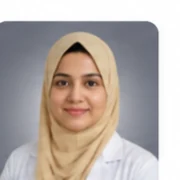
Dr. Shabnam Choudhary, BDS, is a dental professional who graduated from Al-Ameen Medical College, Bijapur, Karnataka. She contributes to the curation and development of medically informative healthcare content, helping ensure that information is structured clearly and presented in a patient-friendly manner.

Content Curator

Dr. Shabnam Choudhary

BDS

Al-Ameen Medical College, Bijapur, Karnataka

Rajiv Gandhi University of Health Sciences (RGUHS), Bengaluru

Portrait of Dr. Shabnam Choudhary

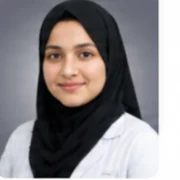
Dr. Saffiyyah Chaudhary, BDS, is a dental professional who graduated from Al-Ameen Medical College, Bijapur, Karnataka. She provides medical review of healthcare content to help ensure that clinical information is accurate, understandable, and appropriately presented for patients and their families.

Medically Reviewed By

Dr. Saffiyyah Chaudhary

BDS

Al-Ameen Medical College, Bijapur, Karnataka

Rajiv Gandhi University of Health Sciences (RGUHS), Bengaluru

Portrait of Dr. Saffiyyah Chaudhary

Patient stories

People. Real Journeys.

More on YouTube

Google reviews

What Our Patients Say

5.0 from 10 reviews on the GAF Healthcare Pvt Ltd Google listing.

Read on Google

★★★★★

Initially I was very hesitant what to do, where to go for the treatment of my father who was suffering with prostate cancer. Thanks to google, I came into touch with Gaf Healthcare. They have arranged everything, starting from treatment plan, video consultation, airport pickup, to surgery and following up. My father was operated in Sahyadri Pune, robotic prostatectomy was done. Now he is fine.

Baraka Mwijarubi

★★★★★

The hospitality was at its point. I appreciate the great service I got from the team. Being away from Home and get the feeling like you are at home is what Gaf is doing. Thank you once more, this have lifetime memories in my life.

Anna Silvest

★★★★★

Wonderful experience with Gaf Healthcare. I was quite hesitant before traveling. But the way entire journey has been planned, charted out and facilitated by Gaf was truly exceptional. Dr. Ritu in Max has treated me well. My eye surgery went well.

Francis Makange

★★★★★

Very nice hospitality, I have taken my mother to Fortis Hospital with help of Gaf healthcare. Initially, I was anxious but these guys made me very comfortable and mama got treated well. Thank you so much guys.

Ummy Msangi