
Solid tumors
The appropriate urology procedure depends on the confirmed diagnosis, severity, patient factors and whether it will change treatment or function.
Related treatment guides: Radical Prostatectomy, Partial Nephrectomy, Radical Cystectomy
Specialty and country guide
Urology treats urinary-tract, prostate, kidney, bladder and selected male-reproductive conditions with endoscopic, percutaneous, laparoscopic, robotic or open procedures. Choice depends on diagnosis, anatomy, stone or tumour burden, kidney function, infection, continence and fertility goals.
Specialty overview
Urology treats urinary-tract, prostate, kidney, bladder and selected male-reproductive conditions with endoscopic, percutaneous, laparoscopic, robotic or open procedures. Choice depends on diagnosis, anatomy, stone or tumour burden, kidney function, infection, continence and fertility goals.
A specialty label is not a treatment recommendation. Safe planning requires kidney, ureter, bladder, prostate or reproductive diagnosis, imaging, renal function, infection and obstruction, organ preservation, continence, fertility and minimally invasive alternatives. The named urologist must review original records and explain alternatives, material risks, expected recovery and follow-up before travel or cost is finalized.
The directory below uses current catalog relationships for 26 urology procedures. It does not rank clinicians or guarantee that every service is available at every campus. GAF confirms the doctor, hospital, clinical scope and written estimate for an individual case.
Clinical scope
A specialty can have diagnostic, medical, procedural, supportive or palliative roles. A diagnosis alone does not establish that any listed urology procedure is appropriate.
The appropriate urology procedure depends on the confirmed diagnosis, severity, patient factors and whether it will change treatment or function.
Related treatment guides: Radical Prostatectomy, Partial Nephrectomy, Radical Cystectomy
The appropriate urology procedure depends on the confirmed diagnosis, severity, patient factors and whether it will change treatment or function.
Related treatment guides: Radical Prostatectomy, Partial Nephrectomy, Radical Cystectomy
The appropriate urology procedure depends on the confirmed diagnosis, severity, patient factors and whether it will change treatment or function.
Related treatment guides: PCNL (Percutaneous Nephrolithotomy), RIRS (Retrograde Intrarenal Surgery), Ureteroscopy, ESWL (Extracorporeal Shock Wave Lithotripsy)
The appropriate urology procedure depends on the confirmed diagnosis, severity, patient factors and whether it will change treatment or function.
Related treatment guides: PCNL (Percutaneous Nephrolithotomy), RIRS (Retrograde Intrarenal Surgery), Ureteroscopy, ESWL (Extracorporeal Shock Wave Lithotripsy)
The appropriate urology procedure depends on the confirmed diagnosis, severity, patient factors and whether it will change treatment or function.
Related treatment guides: PCNL (Percutaneous Nephrolithotomy), RIRS (Retrograde Intrarenal Surgery), Ureteroscopy, ESWL (Extracorporeal Shock Wave Lithotripsy)
The appropriate urology procedure depends on the confirmed diagnosis, severity, patient factors and whether it will change treatment or function.
Related treatment guides: PCNL (Percutaneous Nephrolithotomy), RIRS (Retrograde Intrarenal Surgery), Ureteroscopy, ESWL (Extracorporeal Shock Wave Lithotripsy)
urology procedures
The 26 current urology procedure records in India are grouped by clinical approach. Every link opens a separate cost guide; a service or platform name is not a treatment recommendation.
These catalog services share a broad delivery setting, but each keeps its own indication, technique, risks, duration and written estimate.
The prostate sits below the bladder and in front of the rectum, wrapping the urethra.
Each kidney sits behind the abdominal cavity with an artery, vein and collecting system entering at the hilum.
The bladder sits in the pelvis behind the pubic bone.
RIRS (retrograde intrarenal surgery) treats kidney stones from inside the urinary tract: a flexible ureteroscope is passed through the urethra, bladder and ureter into the kidney, and a holmium or thulium laser fragments or dusts the stone without any incision or tract through the skin.
Pyeloplasty is reconstructive surgery for a narrowed junction between the kidney's collecting system and the ureter (ureteropelvic junction obstruction).
Radical nephrectomy removes the whole kidney together with the surrounding fatty tissue (Gerota's fascia), usually for a kidney tumour that is too large, too central or too complex to remove with a partial nephrectomy.
TURP (transurethral resection of the prostate) removes the inner, obstructing part of an enlarged prostate through the urethra using a resectoscope and an electrical loop, with no external incision.
TURBT (transurethral resection of bladder tumour) removes a bladder tumour through the urethra with a resectoscope and an electrical loop or laser, sending the tissue and underlying muscle for histopathology.
Bladder reconstruction is major surgery that rebuilds or enlarges the bladder — most often by augmenting it with a patch of bowel (augmentation cystoplasty) or by creating a new bladder from bowel after removal of the original (orthotopic neobladder) — so that urine can be stored at safe low pressure and passed through the urethra rather than into an external bag.
Urethroplasty is open reconstructive surgery for a urethral stricture — a scarred, narrowed segment of the tube that carries urine from the bladder.
Urinary tract reconstruction covers open, laparoscopic or robotic operations that repair damaged or obstructed ureters and related structures — ureteric strictures, injuries after surgery or radiation, fistulas between the urinary tract and vagina or bowel, and retroperitoneal fibrosis — by re-joining, re-implanting, replacing or bypassing the affected segment so urine drains freely from kidney to bladder.
Hypospadias repair is reconstructive surgery, usually in infancy or early childhood, for a congenital condition in which the urethral opening sits on the underside of the penis rather than at the tip, often with downward curvature (chordee) and an incomplete foreskin.
Pediatric urological surgery covers operations on the kidneys, ureters, bladder and genitalia of infants, children and adolescents — such as correction of vesicoureteral reflux, surgery for an undescended testis (orchidopexy), removal of a non-functioning kidney, posterior urethral valve ablation, ureterocele or duplex-system surgery and bladder procedures for neurogenic dysfunction — performed within a children's anaesthesia and ward environment.
Varicocele surgery (varicocelectomy) ties off or blocks the enlarged, poorly draining veins around the testis inside the scrotum or in the groin, most precisely with an operating microscope, to relieve aching, protect testicular growth in adolescents and, in selected men, improve semen parameters as part of fertility care.
These catalog services share a broad delivery setting, but each keeps its own indication, technique, risks, duration and written estimate.
PCNL (percutaneous nephrolithotomy) removes large or complex kidney stones through a small tract made in the back directly into the kidney, using a nephroscope and a laser, ultrasonic or pneumatic device to fragment and extract the stone under anaesthesia.
Urinary diversion re-routes urine away from a removed or non-functioning bladder to the outside of the body.
VIU (visual internal urethrotomy) is an endoscopic procedure for a short urethral stricture: a urethrotome is passed along the urethra under direct vision and the scar is cut with a cold knife or laser at one or more points to reopen the channel, after which a catheter is left briefly while the cut heals.
Penile implant surgery places a prosthesis inside the two erectile cylinders of the penis to allow a rigid erection on demand for men with erectile dysfunction that has not responded to medicines, injections or vacuum devices.
These catalog services share a broad delivery setting, but each keeps its own indication, technique, risks, duration and written estimate.
These catalog services share a broad delivery setting, but each keeps its own indication, technique, risks, duration and written estimate.
ESWL (extracorporeal shock wave lithotripsy) breaks kidney or ureteric stones from outside the body: focused shock waves generated by a lithotripter are aimed at the stone under X-ray or ultrasound guidance so it fragments into pieces small enough to pass in the urine over the following days and weeks.
HoLEP (holmium laser enucleation of the prostate) removes the entire enlarged inner part of the prostate through the urethra: a holmium laser separates the adenoma from its capsule along a natural plane, the lobes are pushed into the bladder and a morcellator cuts them into pieces for removal.
GreenLight laser surgery, or photoselective vaporization of the prostate (PVP), uses a high-power 532-nanometre laser passed through a cystoscope to vaporize the obstructing inner prostate tissue layer by layer while sealing blood vessels, opening the urethral channel for men with benign prostatic enlargement without an external incision.
These catalog services share a broad delivery setting, but each keeps its own indication, technique, risks, duration and written estimate.
Kidney transplantation places a healthy kidney from a living or deceased donor into the lower abdomen of a person with kidney failure, joining its artery and vein to the pelvic vessels and its ureter to the bladder, so the new kidney filters blood and produces urine while the failed kidneys are usually left in place.
Living donor kidney transplantation is a planned pair of operations: a healthy, legally approved donor has one kidney removed, usually laparoscopically, and it is immediately transplanted into a recipient with kidney failure.
Deceased donor kidney transplantation implants a kidney recovered from a donor after brain death or circulatory death into a recipient on a transplant waiting list.
ABO-incompatible kidney transplantation allows a living donor whose blood group does not match the recipient's to donate, by first lowering the recipient's anti-blood-group antibodies with plasma exchange or immunoadsorption and an antibody-depleting drug (rituximab), then transplanting when the antibody level is low enough and continuing enhanced immunosuppression afterwards.
Compare
These are current GAF catalog planning ranges, separated by compatible billing basis. A cycle, course, operation, test and treatment programme are not interchangeable units.
Per named procedure and stated admission
Compare only estimates that name the same clinical scope, technique, devices, admission, monitoring and exclusions.
Per diagnostic or assessment episode
Compare only estimates that name the same clinical scope, technique, devices, admission, monitoring and exclusions.
Per complete named programme
Compare only estimates that name the same clinical scope, technique, devices, admission, monitoring and exclusions.
| urology procedure | What it is used for | Typical procedure or stay | Pricing basis | GAF India planning range | Details |
|---|---|---|---|---|---|
| Radical Prostatectomy | The prostate sits below the bladder and in front of the rectum, wrapping the urethra. | 3–7 nights | Per named procedure and stated admission | $7,000–$18,000 | View urology procedure |
| Partial Nephrectomy | Each kidney sits behind the abdominal cavity with an artery, vein and collecting system entering at the hilum. | 3–6 nights | Per named procedure and stated admission | $7,000–$16,000 | View urology procedure |
| Radical Cystectomy | The bladder sits in the pelvis behind the pubic bone. | 7–14 nights | Per named procedure and stated admission | $11,000–$26,000 | View urology procedure |
| PCNL (Percutaneous Nephrolithotomy) | PCNL (percutaneous nephrolithotomy) removes large or complex kidney stones through a small tract made in the back directly into the kidney, using a nephroscope and a laser, ultrasonic or pneumatic device to fragment and extract the stone under anaesthesia. | 2–5 nights | Per named procedure and stated admission | $3,200–$7,500 | View urology procedure |
| RIRS (Retrograde Intrarenal Surgery) | RIRS (retrograde intrarenal surgery) treats kidney stones from inside the urinary tract: a flexible ureteroscope is passed through the urethra, bladder and ureter into the kidney, and a holmium or thulium laser fragments or dusts the stone without any incision or tract through the skin. | 1–3 nights | Per named procedure and stated admission | $3,000–$7,200 | View urology procedure |
| ESWL (Extracorporeal Shock Wave Lithotripsy) | ESWL (extracorporeal shock wave lithotripsy) breaks kidney or ureteric stones from outside the body: focused shock waves generated by a lithotripter are aimed at the stone under X-ray or ultrasound guidance so it fragments into pieces small enough to pass in the urine over the following days and weeks. | Outpatient or 1 night | Per named procedure and stated admission | $800–$2,400 | View urology procedure |
| Pyeloplasty | Pyeloplasty is reconstructive surgery for a narrowed junction between the kidney's collecting system and the ureter (ureteropelvic junction obstruction). | 3–6 nights | Per named procedure and stated admission | $4,500–$10,000 | View urology procedure |
| Radical Nephrectomy | Radical nephrectomy removes the whole kidney together with the surrounding fatty tissue (Gerota's fascia), usually for a kidney tumour that is too large, too central or too complex to remove with a partial nephrectomy. | 4–8 nights | Per named procedure and stated admission | $7,500–$18,000 | View urology procedure |
| TURP (Transurethral Resection of the Prostate) | TURP (transurethral resection of the prostate) removes the inner, obstructing part of an enlarged prostate through the urethra using a resectoscope and an electrical loop, with no external incision. | 2–4 nights | Per named procedure and stated admission | $2,500–$6,200 | View urology procedure |
| HoLEP (Holmium Laser Enucleation) | HoLEP (holmium laser enucleation of the prostate) removes the entire enlarged inner part of the prostate through the urethra: a holmium laser separates the adenoma from its capsule along a natural plane, the lobes are pushed into the bladder and a morcellator cuts them into pieces for removal. | 2–4 nights | Per named procedure and stated admission | $3,800–$8,500 | View urology procedure |
| GreenLight Laser Surgery | GreenLight laser surgery, or photoselective vaporization of the prostate (PVP), uses a high-power 532-nanometre laser passed through a cystoscope to vaporize the obstructing inner prostate tissue layer by layer while sealing blood vessels, opening the urethral channel for men with benign prostatic enlargement without an external incision. | 1–3 nights | Per named procedure and stated admission | $3,200–$7,800 | View urology procedure |
| TURBT (Transurethral Resection of Bladder Tumor) | TURBT (transurethral resection of bladder tumour) removes a bladder tumour through the urethra with a resectoscope and an electrical loop or laser, sending the tissue and underlying muscle for histopathology. | 1–3 nights | Per named procedure and stated admission | $3,000–$8,000 | View urology procedure |
| Bladder Reconstruction | Bladder reconstruction is major surgery that rebuilds or enlarges the bladder — most often by augmenting it with a patch of bowel (augmentation cystoplasty) or by creating a new bladder from bowel after removal of the original (orthotopic neobladder) — so that urine can be stored at safe low pressure and passed through the urethra rather than into an external bag. | 7–14 nights | Per named procedure and stated admission | $10,000–$24,000 | View urology procedure |
| Urinary Diversion | Urinary diversion re-routes urine away from a removed or non-functioning bladder to the outside of the body. | 7–14 nights | Per named procedure and stated admission | $9,000–$22,000 | View urology procedure |
| Urethroplasty | Urethroplasty is open reconstructive surgery for a urethral stricture — a scarred, narrowed segment of the tube that carries urine from the bladder. | 3–7 nights | Per named procedure and stated admission | $3,500–$9,000 | View urology procedure |
| VIU (Visual Internal Urethrotomy) | VIU (visual internal urethrotomy) is an endoscopic procedure for a short urethral stricture: a urethrotome is passed along the urethra under direct vision and the scar is cut with a cold knife or laser at one or more points to reopen the channel, after which a catheter is left briefly while the cut heals. | 0–2 nights | Per named procedure and stated admission | $1,200–$3,500 | View urology procedure |
| Urinary Tract Reconstruction | Urinary tract reconstruction covers open, laparoscopic or robotic operations that repair damaged or obstructed ureters and related structures — ureteric strictures, injuries after surgery or radiation, fistulas between the urinary tract and vagina or bowel, and retroperitoneal fibrosis — by re-joining, re-implanting, replacing or bypassing the affected segment so urine drains freely from kidney to bladder. | 5–12 nights | Per named procedure and stated admission | $6,000–$16,000 | View urology procedure |
| Hypospadias Repair | Hypospadias repair is reconstructive surgery, usually in infancy or early childhood, for a congenital condition in which the urethral opening sits on the underside of the penis rather than at the tip, often with downward curvature (chordee) and an incomplete foreskin. | 2–5 nights; paediatric ward | Per named procedure and stated admission | $2,500–$7,000 | View urology procedure |
| Pediatric Urological Surgery | Pediatric urological surgery covers operations on the kidneys, ureters, bladder and genitalia of infants, children and adolescents — such as correction of vesicoureteral reflux, surgery for an undescended testis (orchidopexy), removal of a non-functioning kidney, posterior urethral valve ablation, ureterocele or duplex-system surgery and bladder procedures for neurogenic dysfunction — performed within a children's anaesthesia and ward environment. | 2–6 nights; paediatric ward | Per named procedure and stated admission | $3,000–$8,500 | View urology procedure |
| Penile Implant | Penile implant surgery places a prosthesis inside the two erectile cylinders of the penis to allow a rigid erection on demand for men with erectile dysfunction that has not responded to medicines, injections or vacuum devices. | 1–3 nights | Per named procedure and stated admission | $5,000–$12,000 | View urology procedure |
| Varicocele Surgery | Varicocele surgery (varicocelectomy) ties off or blocks the enlarged, poorly draining veins around the testis inside the scrotum or in the groin, most precisely with an operating microscope, to relieve aching, protect testicular growth in adolescents and, in selected men, improve semen parameters as part of fertility care. | 0–2 nights | Per named procedure and stated admission | $1,500–$4,200 | View urology procedure |
| Ureteroscopy | Ureteroscopy passes a thin rigid, semi-rigid or flexible scope through the urethra and bladder into the ureter to see and treat a problem directly — most often a ureteric stone, which is fragmented with a laser or pneumatic probe and removed, but also strictures, small tumours or unexplained bleeding. | 0–2 nights | Per diagnostic or assessment episode | $1,800–$4,800 | View urology procedure |
| Kidney Transplantation | Kidney transplantation places a healthy kidney from a living or deceased donor into the lower abdomen of a person with kidney failure, joining its artery and vein to the pelvic vessels and its ureter to the bladder, so the new kidney filters blood and produces urine while the failed kidneys are usually left in place. | 10–21 nights; outpatient follow-up in-city | Per complete named programme | $13,000–$25,000 | View urology procedure |
| Living Donor Kidney Transplantation | Living donor kidney transplantation is a planned pair of operations: a healthy, legally approved donor has one kidney removed, usually laparoscopically, and it is immediately transplanted into a recipient with kidney failure. | Donor 5–8 nights; recipient 10–21 nights | Per complete named programme | $14,000–$28,000 | View urology procedure |
| Deceased Donor Kidney Transplantation | Deceased donor kidney transplantation implants a kidney recovered from a donor after brain death or circulatory death into a recipient on a transplant waiting list. | 10–21 nights; wait-list timing varies | Per complete named programme | $12,000–$24,000 | View urology procedure |
| ABO-Incompatible Kidney Transplantation | ABO-incompatible kidney transplantation allows a living donor whose blood group does not match the recipient's to donate, by first lowering the recipient's anti-blood-group antibodies with plasma exchange or immunoadsorption and an antibody-depleting drug (rituximab), then transplanting when the antibody level is low enough and continuing enhanced immunosuppression afterwards. | 14–28 nights; desensitisation first | Per complete named programme | $18,000–$35,000 | View urology procedure |
Indicative planning ranges, not guaranteed hospital quotations. The treating team confirms the clinical scope, billing basis, schedule, admission, monitoring and exclusions after review.
Clinical decisions
Selection begins with a confirmed diagnosis and a precise clinical question. Review includes kidney, ureter, bladder, prostate or reproductive diagnosis and imaging, renal function, infection and obstruction. A procedure name or scan finding alone is not enough to establish suitability.
The treating team considers organ preservation, continence, fertility and minimally invasive alternatives, current symptoms, medicines, previous treatment, comorbidities and the patient’s goals. Urgent or unstable illness may make travel inappropriate.
Alternatives and sequencing must be explicit. The specialist should explain why the proposed urology procedure is preferred, what result is expected to change care, and how recovery and follow-up will continue after the patient returns home.
Treatment pathway
This specialty-specific pathway is configured from approved editorial content. The exact sequence changes with the diagnosis, selected urology procedure and patient factors.
The urologist reviews the diagnosis, prior treatment, current symptoms and original imaging or test material.
The team confirms kidney, ureter, bladder, prostate or reproductive diagnosis, imaging, renal function, infection and obstruction, organ preservation, continence, fertility and minimally invasive alternatives and identifies missing investigations or urgent risks.
Reasonable non-procedural, procedural and staged alternatives are compared with expected benefit and material risk.
The written plan identifies the exact urology procedure, technique, responsible clinician, campus and anticipated schedule.
Anaesthetic, medicine, infection, bleeding, organ-function and support requirements are checked as relevant.
The named team delivers care with procedure-specific safety checks and escalation arrangements.
The patient receives records, warning signs, medicine instructions, pending-result ownership and a follow-up plan.
Cost planning
Costs are shown by 3 compatible pricing bases rather than one misleading specialty-wide range. A personalized estimate follows medical-record review.
A urology estimate is useful only when its billing basis and clinical scope are stated. Important scope includes the exact endoscopic, stone, reconstructive or cancer procedure; laser, disposable scopes, stents, implants, pathology and admission. Unlike units must not be combined into one specialty average.
The written estimate should separate the named procedure or course from tests, professional fees, devices, medicines, pathology, ward care, intensive care and follow-up. Optional or complication-triggered charges should remain separate.
Catalog ranges are planning figures, not hospital quotations. The final amount can change after record review, examination, additional testing or a change in technique, device, duration or admission.
Technology
This list is derived from procedure relationships; it is not a hospital machine inventory. Technology availability must be confirmed for a named campus and treatment date.
What it is
The equipment, imaging, laboratory, anaesthetic and recovery resources required for the selected urology procedure.
Why it may be used
Availability must be confirmed for the named procedure, clinician, campus and treatment date rather than inferred from a hospital specialty label.
Radical Prostatectomy · Partial Nephrectomy · Radical Cystectomy · PCNL (Percutaneous Nephrolithotomy) · RIRS (Retrograde Intrarenal Surgery) · Ureteroscopy · ESWL (Extracorporeal Shock Wave Lithotripsy) · Pyeloplasty · Radical Nephrectomy · TURP (Transurethral Resection of the Prostate) · HoLEP (Holmium Laser Enucleation) · GreenLight Laser Surgery · TURBT (Transurethral Resection of Bladder Tumor) · Bladder Reconstruction · Urinary Diversion · Kidney Transplantation · Living Donor Kidney Transplantation · Deceased Donor Kidney Transplantation · ABO-Incompatible Kidney Transplantation · Urethroplasty · VIU (Visual Internal Urethrotomy) · Urinary Tract Reconstruction · Hypospadias Repair · Pediatric Urological Surgery · Penile Implant · Varicocele Surgery
Cities
Cities appear only where current catalog relationships contain relevant hospitals, doctors and procedures. Counts update from the live data layer.
Urology in Delhi NCR
Urology in Mumbai
Urology in Bengaluru
Urology in Chennai
Urology in Hyderabad
Hospitals
32 hospitals currently meet the India and Urology relationship filters. Cards show stored CMS information, not a ranking or universal capability claim.
 JCI Accredited
 NABH Accredited
 NABL Accredited
14 listed doctors for Urology
Languages listed: English, Hindi
JCI AccreditedNABH Accredited12 listed doctors for Urology
Languages listed: English, Kannada, Hindi
JCI AccreditedNABH Accredited12 listed doctors for Urology
Languages listed: English, Hindi
JCI AccreditedNABH Accredited7 listed doctors for Urology
Languages listed: English, Hindi
JCI AccreditedNABH AccreditedNABL Accredited7 listed doctors for Urology
Languages listed: English, Telugu, Hindi
JCI AccreditedNABH AccreditedNABL Accredited7 listed doctors for Urology
Languages listed: English, Hindi
Specialists
137 doctor records meet the India and Urology relationship filters across 32 related hospitals. Profile facts come from the existing CMS; ordering is not a ranking.

Urology
40+ years Experience
Kidney Transplant Surgery (Living Donor,… · Living Donor Kidney Transplant · Deceased Donor Kidney Transplant
English, Hindi
Urology
25+ years Experience
PCNL (Percutaneous Nephrolithotomy) · TURP (Transurethral Resection of the Pros… · Kidney Transplantation
English, Hindi
Urology
20+ years Experience
Radical Prostatectomy · Prostate Cancer Surgery · Kidney Cancer Surgery
English, Hindi
Urology
40+ years Experience
PCNL (Percutaneous Nephrolithotomy) · TURP (Transurethral Resection of the Pros… · Kidney Transplantation
English, Hindi
Urology
38+ years Experience
PCNL (Percutaneous Nephrolithotomy) · TURP (Transurethral Resection of the Pros… · Kidney Transplantation
English, Hindi
Urology
25+ years Experience
Radical Prostatectomy (Robotic-assisted) · Kidney Cancer Surgery (Robotic partial/ra… · Radical Cystectomy (Robotic-assisted for…
English, Hindi
Urology
33+ years Experience
Kidney Transplant Surgery · Living Donor Kidney Transplant · Deceased Donor Kidney Transplant
English, Hindi
Urology
27+ years Experience
PCNL (Percutaneous Nephrolithotomy) · TURP (Transurethral Resection of the Pros… · Kidney Transplantation
English, Hindi
International patients
Send the listed records before travel so a named urologist can determine whether remote review is sufficient or further assessment is required. A preliminary opinion is not final clearance for treatment or flying.
Confirm the exact campus, clinician, procedure scope, estimate assumptions, expected stay, attendant needs and emergency arrangements before booking travel. Keep flights and lodging flexible until the clinical plan is accepted.
Before departure, obtain procedure and discharge records, pathology or test results, device details where relevant, medicine changes, warning signs and named contacts for pending results and follow-up at home.
Stay varies across the listed urology procedures; use the procedure row as planning guidance rather than a promise. The treating team decides observation, admission and fitness to fly after reviewing clinical risk and recovery.
International patients should allow time for assessment, pending results and an early review. A changed plan, complication or need for rehabilitation can extend the stay, so flexible travel arrangements are safer than a fixed departure immediately after treatment.
Depending on the condition, the treating team may request:
India has GAF-linked urologists and hospitals across several cities. Compare a named clinician, campus and complete clinical scope rather than assuming all hospitals offer every urology procedure.
Compare like-for-like billing units, technique, devices, tests, admission, follow-up and exclusions. Travel cost and a headline procedure range should not outweigh clinical suitability, urgency or continuity of care.
Questions
A urologist evaluates the relevant diagnosis, explains treatment options and coordinates procedure-specific assessment, delivery and follow-up.
Selection depends on kidney, ureter, bladder, prostate or reproductive diagnosis, imaging, renal function, infection and obstruction, organ preservation, continence, fertility and minimally invasive alternatives, prior treatment, current health, alternatives and the patient’s goals.
The table shows planning ranges by compatible billing basis. A personalized written estimate is required because one specialty average would combine unlike scopes.
Only items expressly named in the estimate are included. Confirm imaging, pathology, laboratory work, medicines, implants, disposables and monitoring.
The page lists catalog-connected urologists. It is not a ranking, and the named clinician must accept and review the case.
Hospitals require a matching specialist relationship for this page. Confirm the exact procedure, clinician, campus, equipment and date directly.
Records commonly include Urinary CT, MRI, ultrasound or nuclear-renogram images, Urine culture, kidney-function and PSA results where relevant, Pathology and cystoscopy reports, plus current clinical notes and medicines.
Records can support a preliminary opinion, but final suitability may require examination, updated tests and review by the treating and anaesthesia teams.
Use each procedure’s typical procedure or stay as guidance. Recovery, results, complications and fitness to fly can change the plan.
Often, if the treating and home teams agree on records, medicines, warning signs, pending results and responsibility for follow-up.
No. A catalog relationship does not guarantee acceptance, equipment, scheduling or procedure availability at every campus.
No. Expected benefits and risks are individual, and no clinician or facilitator can guarantee an outcome.
Medical information notice: This page provides general educational and travel-planning information. GAF catalog ranges are indicative planning figures, not quotations, recommendations or promises of availability or outcome. Diagnosis, selection, technique, risks, recovery and fitness to travel must be decided by a qualified urologist and relevant multidisciplinary clinicians after reviewing the patient and complete records.
Last medically reviewed: 2026-09-14 by Dr. Saffiyyah Chaudhary. Content curated by Dr. Shabnam Choudhary.
Dr. Shabnam Choudhary, BDS, is a dental professional who graduated from Al-Ameen Medical College, Bijapur, Karnataka. She contributes to the curation and development of medically informative healthcare content, helping ensure that information is structured clearly and presented in a patient-friendly manner.
Content Curator
BDS
Al-Ameen Medical College, Bijapur, Karnataka
Rajiv Gandhi University of Health Sciences (RGUHS), Bengaluru
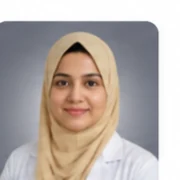
Dr. Saffiyyah Chaudhary, BDS, is a dental professional who graduated from Al-Ameen Medical College, Bijapur, Karnataka. She provides medical review of healthcare content to help ensure that clinical information is accurate, understandable, and appropriately presented for patients and their families.
Medically Reviewed By
BDS
Al-Ameen Medical College, Bijapur, Karnataka
Rajiv Gandhi University of Health Sciences (RGUHS), Bengaluru

Patient stories
Google reviews
5.0 from 10 reviews on the GAF Healthcare Pvt Ltd Google listing.
★★★★★
Initially I was very hesitant what to do, where to go for the treatment of my father who was suffering with prostate cancer. Thanks to google, I came into touch with Gaf Healthcare. They have arranged everything, starting from treatment plan, video consultation, airport pickup, to surgery and following up. My father was operated in Sahyadri Pune, robotic prostatectomy was done. Now he is fine.
★★★★★
The hospitality was at its point. I appreciate the great service I got from the team. Being away from Home and get the feeling like you are at home is what Gaf is doing. Thank you once more, this have lifetime memories in my life.
★★★★★
Wonderful experience with Gaf Healthcare. I was quite hesitant before traveling. But the way entire journey has been planned, charted out and facilitated by Gaf was truly exceptional. Dr. Ritu in Max has treated me well. My eye surgery went well.
★★★★★
Very nice hospitality, I have taken my mother to Fortis Hospital with help of Gaf healthcare. Initially, I was anxious but these guys made me very comfortable and mama got treated well. Thank you so much guys.
Begin
26 urology procedures matching your filters