
63 surgical oncology specialists in our India network are listed for breast cancer treatment, across 5 cities (Delhi NCR, Hyderabad, Mumbai, Bengaluru, Chennai), at 23 hospitals, with 8–47 years of listed experience among them.
This page lists the surgical oncology doctors in our directory for breast cancer treatment in India, drawn from hospitals including Fortis Hospital Manesar, Medanta - The Medicity, Fortis Escorts Heart Institute, Max Super Speciality Hospital, Saket and others. Doctors are listed across Delhi NCR, Hyderabad, Mumbai, Bengaluru, Chennai. Each listing links through to the doctor's full profile page.
GAF Healthcare currently lists 63 surgical oncology specialists for breast cancer treatment across 23 hospitals in Bengaluru, Chennai, Delhi NCR, Hyderabad, Mumbai, with 8–47 years of listed experience. Indicative treatment costs range from $3,000 – $12,000, with a typical hospital stay of 5–7 days.
Ask us about breast cancer treatment in India
Share a few details and our care coordination team will get back to you with next steps.
 Featured
Dr. Rajeev Agarwal
- 47+ years of experience in Surgical Oncologist
- Senior Director, Surgical Oncology — Medanta – The Medicity, Gurugram
- Consultant and Oncosurgeon — Multiple institutions across Northern India during 47+ year career
- Breast-Conserving Surgery (Lumpectomy)
- Sentinel Lymph Node Biopsy
- Mastectomy and Modified Radical Mastectomy
- Axillary Lymph Node Dissection
- Breast Reconstruction Surgery
Dr. Ramesh Sarin
- 42+ years of experience in Surgical Oncologist
- Senior Consultant, Surgical Oncology — Apollo Hospitals Indraprastha, New Delhi
- Consultant — Sir Ganga Ram Hospital, New Delhi
- Modified Radical Mastectomy
- Breast-Conserving Surgery
- Sentinel Lymph Node Biopsy
- Axillary Lymph Node Dissection
- Gastric Cancer Resection
Dr. Harit Kumar Chaturvedi
- 32+ years of experience in Surgical Oncologist
- Chief Executive Officer & Clinical Head, Surgical Oncology — Indraprastha Apollo Hospital, New Delhi — Present
- Group Director & Co-Head, Surgical Oncology — Apollo Hospitals Network, Delhi NCR — Present
- Robotic-Assisted Oncological Surgery (da Vinci Xi)
- Breast Cancer Surgery and Reconstruction
- Head and Neck Tumor Resection
- Minimally Invasive Pancreatic Cancer Surgery
- Colorectal Cancer Surgery with Advanced Reconstruction
Dr. Deepak Jha
- 30+ years of experience in Breast Surgical Oncologist
- Chief of Breast Surgery & Senior Consultant, Surgical Oncology — Artemis Hospital, Gurgaon — Present
- Senior Consultant, Surgical Oncology — Fortis Hospitals (FMRI), Gurugram
- Breast-Conserving Surgery (Lumpectomy)
- Modified Radical Mastectomy
- Nipple-Sparing Mastectomy
- Sentinel Lymph Node Biopsy
- Axillary Lymph Node Dissection
Dr. Geeta Kadayaprath
- 30+ years of experience in Breast Surgical Oncologist
- Senior Consultant – Breast Surgical Oncologist, Apollo Athenaa Women's Cancer Centre, New Delhi, Present
- Senior Consultant – Surgical Oncology, Max Institute of Cancer Care, Max Super Speciality Hospitals, Patparganj & Vaishali, New Delhi, Present
- Breast Cancer Surgery
- Sentinel Lymph Node Biopsy
- Breast-Conserving Surgery (Lumpectomy)
- Total Mastectomy
- Oncoplastic Breast Surgery
Dr. Umanath Nayak Karopadi
- 30+ years of experience in Surgical Oncologist
- Senior Consultant – Surgical Oncology and Robotic Surgery, Apollo Hospital Jubilee Hills, Hyderabad – Present
- Extensive career in surgical oncology spanning 30+ years across leading cancer care institutions in India
- Robotic-Assisted Head and Neck Cancer Surgery
- Breast-Conserving Surgery and Oncoplastic Reconstruction
- Modified Radical Mastectomy
- Thyroid Cancer Surgery with Lymph Node Dissection
- Sentinel Lymph Node Biopsy and Mapping
Dr. Rajesh Kumar Jain
- 28+ years of experience in Surgical Oncologist
- Principal Director, Surgical Oncology — BLK-Max Super Speciality Hospital, New Delhi
- Director & Head, Surgical Oncology — Action Cancer Hospital, New Delhi
- Breast Cancer Surgery with Oncoplasty
- Lung Cancer Resection (Lobectomy, Pneumonectomy)
- Head and Neck Cancer Resection
- Thyroid Cancer Surgery
- Robotic-Assisted Cancer Surgery
Dr. Alok Narang
- 27+ years of experience in Surgical Oncologist
- Senior Surgical Oncologist at Indraprastha Apollo Hospital, Delhi — Present
- 27+ years of specialized surgical oncology practice across multiple cancer specialties
- Sentinel Lymph Node Biopsy
- Breast-Conserving Surgery
- Oncoplastic Breast Surgery
- Head and Neck Tumor Resection
- Gastric Cancer Surgery
Dr. Jalaj Baxi
- 27+ years of experience in Surgical Oncologist
- Senior Consultant – Surgical Oncology, Fortis Hospital, Noida, Delhi NCR – Present
- Surgical Oncology Practice in leading tertiary cancer centers across Delhi NCR region
- Colorectal Cancer Surgery and Low Anterior Resection
- Gastric Cancer Resection and Gastrectomy
- Cytoreductive Surgery (CRS) with HIPEC
- Total Mesorectal Excision (TME)
- Ovarian Cancer Debulking Surgery
Dr. Rohit Nayyar
- 27+ years of experience in Surgical Oncologist
- Vice Chairman, Surgical Oncology & Director, Clinical Administrator — Max Super Speciality Hospital, Saket, New Delhi — Present
- Senior Surgical Oncologist — Asian Institute of Medical Sciences, Faridabad
- Breast Cancer Surgery and Reconstruction
- Oncoplastic Breast Surgery
- Breast-Conserving Surgery
- Sentinel Lymph Node Biopsy
- Head and Neck Tumor Resection
Dr. Sameer Kaul
- 26+ years of experience in Surgical Oncologist
- Senior Consultant, Surgical Oncology — Indraprastha Apollo Hospital, New Delhi
- Surgical Oncology Fellow — Tata Memorial Hospital, Mumbai
- Modified Radical Mastectomy
- Breast-Conserving Surgery (Lumpectomy)
- Sentinel Lymph Node Biopsy
- Axillary Lymph Node Dissection
- Pancreatic Cancer Resection

Dr. Vedant Kabra
- 25+ years of experience in Surgical Oncologist
- Principal Director — Surgical Oncology, Fortis Memorial Research Institute, Gurugram
- Senior Surgical Oncologist, Tata Memorial Hospital, Mumbai
- Breast conservation surgery and oncoplasty
- Modified radical mastectomy with reconstruction
- Robotic-assisted oncological resections
- Head and neck cancer surgery
- Oral and tongue cancer resections
Dr. K. Sreekanth
- 25+ years of experience in Surgical Oncologist
- Senior Consultant, Surgical Oncology, Yashoda Hospitals, Hyderabad — Present
- Over 25 years of clinical experience in surgical oncology across multiple organ systems
- Breast cancer surgery with oncoplastic reconstruction
- Colorectal cancer resection (open and laparoscopic)
- Total and partial gastrectomy for gastric cancer
- Head and neck tumor resection with nodal dissection
- Thyroid cancer surgery and lymphadenectomy
Dr. Parag Kumar
- 25+ years of experience in Surgical Oncologist
- Senior Consultant — Surgical Oncology, Indraprastha Apollo Hospital, New Delhi
- Extensive surgical oncology practice spanning 25+ years across multiple cancer types
- Sentinel lymph node biopsy
- Breast-conserving surgery (lumpectomy)
- Mastectomy with reconstruction
- Oncoplastic breast surgery
- Colorectal cancer resection
Dr. Trilok Pratap Singh Bhandari
- 25+ years of experience in Surgical Oncologist
- Senior Consultant, Surgical Oncology — Apollo Hospital, Jubilee Hills, Hyderabad
- Consultant Surgeon — Narayana Multispeciality Hospital, Jaipur
- Gastric cancer resection and gastrectomy
- Major liver resection and hepatectomy
- Whipple procedure for pancreatic cancer
- Gallbladder cancer surgery
- Mastectomy and breast-conserving surgery
Dr. Prithviraj T
- 25+ years of experience in General & Breast Surgeon
- Currently serving as Senior Consultant, General Surgery at Apollo Hospitals, Greams Road, Chennai.
- Has practised general and breast surgery in Chennai for over 25 years, managing a broad caseload across elective and urgent surgical conditions.
- Inguinal Hernia Repair
- Ventral Hernia Repair
- Incisional Hernia Repair
- Laparoscopic Cholecystectomy
- Thyroidectomy
Dr. Chinnababu Sunkavalli
- 23+ years of experience in Surgical Oncologist
- Clinical Director of Surgical Oncology, Yashoda Hospitals, Hi-Tech City, Hyderabad — Present
- Senior Consultant Surgical Oncologist and Robotic Surgeon, Yashoda Hospitals, Hyderabad — Present
- Robotic-Assisted Breast Cancer Surgery
- Laparoscopic Colorectal Cancer Resection
- Minimally Invasive Gastrectomy for Gastric Cancer
- Robotic Hysterectomy for Cervical Cancer
- Advanced Liver Resection Surgery
Dr. Kanchan Kaur
- 22+ years of experience in Surgical Oncologist (Breast)
- Senior Director — Breast Cancer, Cancer Care, Medanta – The Medicity, Gurgaon
- Tutor — Government of India SWAYAM online learning platform
- Lumpectomy / Wide Local Excision
- Oncoplastic Breast Conservation Surgery
- Modified Radical Mastectomy
- Skin- & Nipple-Sparing Mastectomy
- Sentinel Lymph Node Biopsy
Dr. B. Niranjan Naik
- 22+ years of experience in Surgical Oncologist
- Principal Director of Surgical Oncology & Director of Breast & Gastro-Intestinal Onco-Surgery, Paras Hospitals, Gurugram, Present
- Vice Chairman & Head of Department, Surgical Oncology and Robotic Onco-Surgery, Paras Hospitals, Gurugram
- Modified Radical Mastectomy
- Breast-Conserving Surgery
- Sentinel Lymph Node Biopsy
- Axillary Lymph Node Dissection
- Laparoscopic Gastric Cancer Surgery
Dr. Satyam Taneja
- 22+ years of experience in Surgical Oncologist
- Director and Unit Head, Surgical Oncology, Fortis Hospital, Shalimar Bagh, New Delhi — Present
- Senior positions in surgical oncology and cancer leadership at premier healthcare institutions across India
- Oncoplastic Breast Surgery
- Modified Radical Mastectomy
- Breast-Conserving Surgery with Oncoplasty
- Sentinel Lymph Node Biopsy
- Cytoreductive Surgery and HIPEC
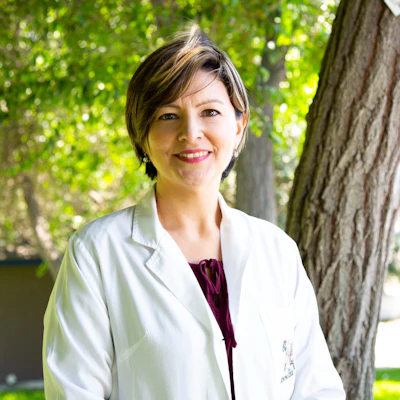
Dr. Shuaib S M Zaidi
- 20+ years of experience in Surgical Oncologist
- Principal Director — Surgical Oncology, Max Super Specialty Hospital, Noida
- Senior Consultant — Surgical Oncology, Indraprastha Apollo Hospital, New Delhi
- Modified radical mastectomy and breast conservation surgery
- Oesophagectomy for oesophageal cancer
- Pulmonary lobectomy and pneumonectomy
- Gastrectomy for gastric cancer
- Colorectal cancer resections
Dr. Arsheed Hussain Hakeem
- 20+ years of experience in Head & Neck Onco-Surgeon
- Consultant Head and Neck Surgical Oncology, Apollo Hospital Jubilee Hills, Hyderabad – Present
- Senior Consultant, Rajiv Gandhi Cancer Institute & Research Centre, New Delhi
- Head and Neck Tumor Resection
- Oral Cancer Surgery
- Comprehensive Neck Dissection
- Thyroid Cancer Excision
- Sentinel Lymph Node Biopsy
Dr. Rahulkumar Narayan Chavan
- 20+ years of experience in Surgical Oncologist
- Senior Consultant — Surgical Oncology, Medicover Hospital, Mumbai
- Surgical Oncologist, Fortis Hospital, Navi Mumbai
- Breast-Conserving Surgery and Lumpectomy
- Modified Radical Mastectomy
- Laparoscopic Colorectal Cancer Surgery
- Robotic-Assisted Gynecological Oncology
- Minimally Invasive Thyroid Cancer Surgery
Dr. Sreekanth CN
- 20+ years of experience in Surgical Oncologist
- Senior Consultant, Surgical Oncology & Laparoscopic Surgery, Yashoda Hospitals, Hyderabad
- Specialized training in HIPEC and Cytoreductive Surgery, Hamburg, Germany, 2018
- Oncoplastic breast surgery and reconstruction
- Radical mastectomy and breast conservation therapy
- Head and neck tumor resection
- Thyroid cancer surgery
- Gastric cancer surgery
Dr. Tushar Jadhav
- 20+ years of experience in Surgical Oncologist
- Consultant, Surgical Oncology — Gleneagles Global Hospitals, Mumbai, Present
- Senior surgical oncologist and breast cancer specialist — Gleneagles Global Hospitals, Parel, Mumbai
- Breast-Conserving Surgery (Lumpectomy)
- Mastectomy with Immediate Reconstruction
- Oncoplastic Breast Surgery
- Sentinel Lymph Node Biopsy
- Axillary Lymph Node Dissection
Dr. Hardeep Singh
- 20+ years of experience in Oncoplastic & Reconstructive Microsurgeon
- Director — Oncoplastic & Reconstructive Surgery, Cosmetic & Plastic Surgery at Apollo Athenaa Women's Cancer Centre, New Delhi
- Senior Consultant — Plastic & Reconstructive Microsurgery at Apollo Hospitals, New Delhi
- Oncoplastic breast reconstruction
- Free flap microsurgery and tissue transfer
- Head and neck cancer reconstruction
- Lymph node transfer for lymphedema
- Diabetic foot ulcer reconstruction
Dr. Sachin Marda
- 19+ years of experience in Surgical Oncologist and Robotic Surgeon
- Senior Consultant, Surgical Oncology and Robotic Surgery, Yashoda Hospitals, Somajiguda, Hyderabad — Present
- Fellowship in Robotic Surgery, India — 2016
- Robotic-Assisted Breast Cancer Surgery
- Oncoplastic Breast Surgery and Reconstruction
- Laparoscopic Colorectal Cancer Surgery
- Robotic Gastric Cancer Surgery
- Head and Neck Cancer Resection
Dr. Feroz Pasha
- 18+ years of experience in Surgical Oncologist
- Senior Consultant — Surgical Oncology, Indraprastha Apollo Hospital, New Delhi
- Consultant Surgical Oncologist, Batra Hospital, New Delhi
- Mastectomy
- Breast-Conserving Surgery
- Oncoplastic Breast Surgery
- Colorectal Cancer Resection
- Gastrectomy for Gastric Cancer
Dr. Balaji Ramani
- 17+ years of experience in Surgical Oncologist
- Director, Gleneagles Institute of Oncology, Gleneagles HealthCity Chennai, Perumbakkam — Present
- Senior Surgical Oncologist, Apollo Specialty Hospitals, Teynampet, Chennai
- Robotic-assisted gynecological oncology surgery
- Cytoreductive surgery with HIPEC
- Laparoscopic-assisted oncological procedures
- Breast-conserving oncoplastic reconstruction
- Ovarian cancer debulking surgery
Dr. Keshavarajan G
- 17+ years of experience in Surgical Oncologist
- Consultant, Department of Surgical Oncology, Rela Hospital Cancer Centre, Chennai — Present
- Assistant Professor, Kasturba Medical College and Hospital, Manipal — clinical and academic experience
- Breast cancer surgery with oncoplasty
- Sentinel lymph node biopsy
- Gynecological cancer debulking
- Colorectal cancer resection
- Gastric cancer surgery
Dr. Sindhu V A
- 17+ years of experience in Surgical Oncologist
- Senior Consultant, Surgical Oncology — Gleneagles Hospitals, Bengaluru, India
- Fellow and practitioner in Surgical Oncology — King George Medical University, Lucknow, India
- Breast-conserving surgery (lumpectomy)
- Mastectomy with reconstruction
- Sentinel lymph node biopsy
- Radical hysterectomy with pelvic lymphadenectomy
- Neck dissection for head and neck cancer
Dr. Vishal Bansal
- 17+ years of experience in Surgical Oncologist
- Senior Consultant, Department of Oncology (Surgical Oncology), Fortis Hospital, Noida, Delhi NCR — Present
- Oral and mouth cancer surgery
- Neck dissection
- Composite resection for head and neck cancer
- Modified radical mastectomy
- Breast-conserving surgery
Dr. Jaiprakash Gurawalia
- 16+ years of experience in Surgical Oncologist
- Senior Consultant, Surgical Oncology — Fortis Memorial Research Institute, Gurgaon
- Consultant, Surgical Oncology — Manipal Hospital, Delhi
- Mastectomy and modified radical mastectomy
- Breast-conserving surgery with oncoplasty
- Sentinel lymph node biopsy
- Axillary lymph node dissection
- Wide local excision for breast cancer
Dr. Rajesh Goud E
- 16+ years of experience in Surgical Oncologist
- Senior Consultant, Surgical Oncology & Robotic Surgery — Yashoda Hospitals, Hyderabad
- Consultant Surgical Oncologist — Basavatarakam Indo-American Cancer Hospital & Research Institute, Hyderabad
- Robotic-Assisted Radical Prostatectomy
- Breast-Conserving Surgery with Sentinel Node Biopsy
- Oncoplastic Breast Reconstruction
- Radical Nephrectomy for Kidney Cancer
- Laparoscopic Colorectal Cancer Resection
Dr. Archit Pandit
- 15+ years of experience in Surgical Oncologist
- Director — Surgical Oncology, Fortis Escorts, Okhla Road, New Delhi
- Director — Surgical Oncology, Shalby Sanar Cancer Centre, Gurugram
- Robotic Cancer Surgery
- Laparoscopic / Keyhole Cancer Surgery
- Thoracoscopic Lung Cancer Surgery
- Esophagectomy (Minimally Invasive)
- Gastrectomy for Cancer
Dr. Ashwini R K
- 15+ years of experience in Breast Surgeon
- Associate Consultant, Breast Surgery – Apollo Hospitals, Bannerghatta Road, Bengaluru
- Consultant Surgeon – Apollo Hospitals, Seshadripuram, Bangalore
- Breast-conserving surgery (lumpectomy with radiation)
- Modified radical mastectomy
- Nipple-sparing mastectomy
- Oncoplastic breast reconstruction
- Sentinel lymph node biopsy
Dr. Himanshu Gupta
- 15+ years of experience in Surgical Oncologist — Onco-Reconstructive Surgeon
- Senior Consultant, Plastic & Onco Reconstructive Surgery, Cancer Centre – BLK-Max Super Speciality Hospital, New Delhi
- Consultant, Plastic & Reconstructive Surgery – Action Cancer Hospital, New Delhi
- Oncoplastic Breast Surgery
- Breast Reconstruction after Mastectomy
- Breast-Conserving Surgery with Reconstruction
- Microvascular Free Tissue Transfer
- Head and Neck Tumor Excision
Dr. Siddhartha Chakravarthy
- 15+ years of experience in Surgical Oncologist & Breast Onco-Surgeon
- Consultant Surgical Oncologist & Breast Onco-Surgeon, Apollo Hospital Jubilee Hills, Hyderabad — Present
- Senior Surgical Oncologist, Christian Medical College, Vellore
- Modified Radical Mastectomy with Axillary Dissection
- Breast-Conserving Surgery with Oncoplastic Reconstruction
- Sentinel Lymph Node Biopsy
- Oncoplastic Breast Surgery
- Cytoreductive Surgery with HIPEC
Dr. Swathi Prakash
- 15+ years of experience in Breast Surgical Oncologist
- Consultant, Breast Surgery & Surgical Oncology — Rela Hospital, Chennai
- Visiting Research Scholar — National Institute of Cancer Prevention & Research (NICPR), Noida
- Breast cancer surgery and oncological resection
- Skin-sparing mastectomy with reconstruction
- Oncoplastic breast surgery
- Breast-conserving surgery (lumpectomy)
- Sentinel lymph node biopsy
Dr. Mansi Chowhan
- 14+ years of experience in Oncoplastic Breast Surgeon
- Consultant – Surgical Oncology (Breast), Fortis Hospital, Manesar, Gurugram
- Fortis Healthcare
- Breast Conservation Surgery (Lumpectomy / Wide Local Excision)
- Breast Oncoplasty Level 1 and Level 2
- Modified Radical Mastectomy
- Skin-Sparing Mastectomy
- Nipple-Sparing Mastectomy
Dr. Vineet Goel
- 14+ years of experience in Surgical Oncologist
- Consultant — Surgical Oncology, Fortis Escorts, Okhla Road, New Delhi
- Trained at AIIMS, New Delhi
- Robotic Thoracic Cancer Surgery
- Robotic GI Cancer Surgery
- Robotic Gynaecological Cancer Surgery
- Laparoscopic Cancer Surgery
- HIPEC Surgery
Dr. Piyush Garg
- 14+ years of experience in Surgical Oncologist
- Consultant — Surgical Oncology, Fortis Hospital, Delhi NCR
- Senior surgical oncologist with 14+ years of experience in cancer diagnosis and treatment
- Modified Radical Mastectomy
- Breast-Conserving Surgery (Lumpectomy)
- Sentinel Lymph Node Biopsy
- Axillary Lymph Node Dissection
- Laparoscopic Colorectal Cancer Surgery
Dr. Manish Gaur
- 13+ years of experience in Surgical Oncologist
- Principal Consultant — Surgical Oncology, Max Super Speciality Hospital & Max Smart Super Speciality Hospital, Saket, New Delhi
- Consultant — Surgical Oncology, Indraprastha Apollo Hospital, New Delhi
- Breast conservation surgery (BCS)
- Modified radical mastectomy with breast reconstruction
- Oncoplastic breast surgery
- Sentinel lymph node biopsy
- Head and neck cancer resections
Dr. Aditi Chaturvedi
- 13+ years of experience in Breast and Oncoplastic Surgeon
- Senior Consultant, Breast and Oncoplastic Surgeon, Apollo Athenaa Women's Cancer Centre, New Delhi, Present
- Consultant and Senior Surgeon, Tata Memorial Hospital, Mumbai
- Breast-Conserving Surgery
- Mastectomy with Reconstruction
- Oncoplastic Breast Surgery
- Sentinel Lymph Node Biopsy
- Breast Biopsy (fine needle and core needle)
Dr. Akshat Malik
- 13+ years of experience in Head & Neck Surgical Oncologist
- Senior Consultant, Surgical Oncology — Indraprastha Apollo Hospital, New Delhi
- Visiting Fellow, Head & Neck Surgical Oncology — International cancer centres
- Robotic Thyroidectomy
- Transoral Robotic Surgery (TORS)
- Head and Neck Cancer Resection
- Neck Dissection (Radical and Selective)
- Microvascular Reconstruction
Dr. Amit Sahni
- 13+ years of experience in Surgical Oncologist
- Senior Consultant — Surgical Oncology, Fortis Memorial Research Institute, Gurgaon
- Specialized training in Surgical Oncology, Chittaranjan National Cancer Institute, Kolkata
- Mastectomy and Modified Radical Mastectomy
- Breast-Conserving Surgery
- Sentinel Lymph Node Biopsy
- Head and Neck Cancer Resection
- Colorectal Cancer Surgery
Dr. Dharma Kumar K G
- 13+ years of experience in Surgical Oncologist
- Consultant, Surgical Oncology — Gleneagles Hospitals, Bengaluru, Kengeri
- Senior Surgical Oncologist — Rajiv Gandhi Cancer Hospital, Delhi
- Breast Cancer Surgery and Mastectomy
- Breast-Conserving Surgery with Oncoplasty
- Sentinel Lymph Node Biopsy
- Axillary Lymph Node Dissection
- Thyroid Cancer Resection
Dr. Pranjal Kulshreshtha
- 13+ years of experience in Breast Oncological Surgeon
- Director of Breast Oncological Surgery, BLK-Max Super Speciality Hospital, New Delhi
- Senior Consultant – Surgical Oncology, Action Cancer Hospital, New Delhi
- Modified Radical Mastectomy
- Breast-Conserving Surgery
- Nipple-Sparing Mastectomy
- Skin-Sparing Mastectomy
- Sentinel Lymph Node Biopsy
Dr. Amit Chakraborty
- 12+ years of experience in Surgical Oncologist
- Consultant Onco Surgeon, Surgical Oncology — Wockhardt Hospital, Mumbai Central, South Mumbai
- Over 12 years of clinical practice in surgical oncology with focus on complex cancer cases
- Breast-conserving surgery
- Mastectomy with reconstruction planning
- Sentinel lymph node biopsy
- Oncoplastic breast surgery
- Colorectal cancer resection
Dr. Kanika Batra Modi
- 12+ years of experience in Gynecologic Oncosurgeon
- Director & Clinical Lead, Surgical Oncology, Max Super Speciality Hospital, Saket, New Delhi
- Consultant & Senior Surgeon, Gynecologic Oncology, Rajiv Gandhi Cancer Institute and Research Centre, New Delhi
- Radical hysterectomy with lymphadenectomy
- Sentinel lymph node biopsy
- Cytoreductive surgery with HIPEC
- Robotic-assisted gynecologic surgery
- Pelvic exenteration
Dr. Richa Garg
- 12+ years of experience in Surgical Oncologist
- Associate Consultant, Surgical Oncology — Medanta - The Medicity, Delhi NCR, India
- Surgical Oncology Fellow — Multiple institutions during DNB training
- Mastectomy (Total and Partial)
- Breast-Conserving Surgery
- Oncoplastic Breast Surgery
- Sentinel Lymph Node Biopsy
- Axillary Lymph Node Dissection
Dr. Sanket Shah
- 12+ years of experience in Surgical Oncologist
- Senior Consultant, Surgical Oncology — Gleneagles Hospital, Mumbai, Present
- Surgical Oncologist — Tata Memorial Hospital, Mumbai
- Breast-conserving surgery and oncoplastic reconstruction
- Modified radical mastectomy and sentinel node biopsy
- Head and neck tumor resection with neck dissection
- Thyroidectomy and laryngectomy for cancer
- Laparoscopic ovarian cancer surgery
Dr. Sushil Kumar Jain
- 12+ years of experience in Surgical Oncologist
- Additional Director, Surgical Oncology — Fortis Memorial Research Institute, Gurugram
- Specialized training in Surgical Oncology — Dharamshila Cancer Hospital, New Delhi
- Breast-conserving surgery with oncoplasty
- Modified radical mastectomy with reconstruction
- Sentinel lymph node biopsy and axillary dissection
- Robotic colorectal cancer resection
- Robotic thoracic cancer surgery
Dr. Malyadri Paladugu
- 11+ years of experience in Surgical Oncologist
- Consultant Surgical Oncologist, Yashoda Hospitals, Hi-Tech City, Hyderabad — Present
- Super Speciality Fellow in Oncology, Kidwai Memorial Institute of Oncology, Bengaluru — 2017–2020
- Breast-Conserving Surgery
- Mastectomy with Reconstruction
- Laparoscopic Colorectal Cancer Surgery
- Head and Neck Tumor Resection
- Total Gastrectomy for Gastric Cancer
Dr. D. Pon Jeeva Mathan
- 10+ years of experience in Surgical Oncologist
- Consultant, Surgical Oncology — Dr. Rela Institute and Medical Centre, Chennai
- Senior Resident, Surgical Oncology — Tata Medical Center, Kolkata
- Breast-Conserving Surgery
- Mastectomy and Reconstruction
- Sentinel Lymph Node Biopsy
- Endoscopic Breast Surgery
- Endoscopic Thyroid Surgery
Dr. Meghal Sanghavi
- 10+ years of experience in Surgical Oncologist
- Consultant Onco Surgeon, Wockhardt Hospital, South Mumbai & Mumbai Central, Present
- Surgical Oncology practice with 10+ years of clinical experience in cancer surgery
- Breast-conserving surgery (lumpectomy)
- Total mastectomy with reconstruction
- Sentinel lymph node biopsy
- Axillary lymph node dissection
- Colorectal cancer resection
Dr. Preeti Vijayakumaran
- 10+ years of experience in Surgical Oncologist
- Consultant, Surgical Oncology, Artemis Hospital, Gurugram, India — Present
- Senior Surgeon, Tata Memorial Hospital, Mumbai, India
- Lung Cancer Surgery (Lobectomy and Segmentectomy)
- Esophageal Cancer Resection
- Breast-Conserving Surgery (Lumpectomy)
- Oncoplastic Breast Surgery
- Modified Radical Mastectomy
Dr. Soumya S Holla
- 10+ years of experience in Surgical Oncologist
- Consultant Surgical Oncologist at Apollo Hospitals, Bannerghatta Road, Bengaluru — Present
- Specialized training in breast oncology and oncoplastic surgery across multiple tertiary care centers
- Breast-conserving surgery and wide local excision
- Mastectomy and modified radical mastectomy
- Nipple-sparing mastectomy with reconstruction
- Sentinel lymph node biopsy (SLNB)
- Axillary lymph node dissection
Dr. Sreehari Gowda
- 10+ years of experience in Surgical Oncologist
- Consultant – Surgical Oncology, Yashoda Hospitals, Hyderabad
- Surgical Oncology Training, Yashoda Cancer Institute, Hyderabad
- Breast-conserving surgery with oncoplastic reconstruction
- Modified radical mastectomy
- Sentinel lymph node biopsy
- Axillary lymph node dissection
- Head and neck tumor resection and neck dissection
Dr. Ananya Deori
- 9+ years of experience in Breast Surgeon
- Associate Consultant — Breast Surgery, Medanta - The Medicity, Delhi NCR, Present
- Medanta Mediclinic Defence Colony, Delhi NCR
- Oncoplastic breast surgery
- Nipple-sparing mastectomy
- Skin-sparing mastectomy
- Modified radical mastectomy
- Breast-conserving surgery (lumpectomy)
Dr. Ajesh Raj Saksena
- 8+ years of experience in Surgical Oncologist
- Consultant Surgical Oncologist, Apollo Hospital, Jubilee Hills, Hyderabad — Present
- Consultant Surgical Oncologist, Ankura Health City, Hyderabad — Present
- Whipple procedure (pancreaticoduodenectomy)
- Modified radical mastectomy
- Breast-conserving surgery
- Radical hysterectomy
- Ovarian cancer debulking surgery
Dr. Ajay Chanakya
- 8+ years of experience in Surgical Oncologist
- Consultant, Surgical Oncology & Peritoneal Surface Oncology & Uro-Oncology, Apollo Hospital Jubilee Hills, Hyderabad
- Specialized training in Uro-Onco Robotic Surgery, Kokilaben Dhirubhai Ambani Hospital, Mumbai
- Robotic-Assisted Radical Prostatectomy
- Cytoreductive Surgery with HIPEC
- Breast-Conserving Surgery
- Total Mastectomy with Axillary Dissection
- Radical Nephrectomy
Dr. Levaka Rahul Reddy
- 8+ years of experience in Surgical Oncologist
- Consultant, Surgical Oncology — Apollo Hospital, Jubilee Hills, Hyderabad
- Associate Consultant, Surgical Oncology — Apollo Cancer Institute, Apollo Health City, Hyderabad
- Colorectal Cancer Resection
- Gastrectomy for Gastric Cancer
- Breast-Conserving Surgery
- Mastectomy with Sentinel Lymph Node Biopsy
- Thyroidectomy for Thyroid Cancer
Why Patients Come to India for Breast Cancer Treatment
Breast cancer is treated by a team rather than by one doctor, and the depth of that team is the practical reason most international patients come.
1. The Plan Should Come From a Tumour Board
Breast cancer treatment involves decisions about sequence as much as about technique: whether surgery comes first, whether systemic treatment beforehand would allow a smaller operation, and what follows. Those decisions belong to a meeting, not to one person.
At the large Indian cancer centres these specialists review cases together before anyone operates:
-
Breast surgeon
-
Medical oncologist
-
Radiation oncologist
-
Radiologist
-
Pathologist
Ask whether your case will go to that meeting, and ask for the recorded conclusion in writing.
2. Pathology and Biomarker Testing on Site
The treatment plan rests on what the pathology shows, including hormone receptor and HER2 testing. Where those results are equivocal or a second opinion is wanted, having the laboratory in the same institution shortens the wait considerably.
Ask whether your existing slides and blocks can be reviewed here, because repeat testing on arrival is common and worth planning for.
3. Reconstruction Available in the Same Sitting
Where mastectomy is recommended, whether reconstruction happens at the same operation or as a separate procedure later changes the total time, the cost and the result. The large centres offer both routes.
Settle this before surgery rather than afterwards. Finding out later that the option you wanted needed a different plan from the start is a poor way to learn it.
4. Consultations in English
Clinical work at the major centres runs in English, so you can read your own pathology report and carry home a discharge summary your own oncologist can act on. Interpreters for Arabic, French, Russian and Kiswahili are available at most of the hospitals in this directory, arranged before you arrive.
5. Cost, and Why the Range Is Wide
Costs in India are generally lower than in Europe, North America or the Gulf. But breast cancer is not one treatment with one price, and published figures for the systemic part vary by more than tenfold depending on what is prescribed.
Section 12 sets out the published figures and explains the spread. Any total quoted before your pathology has been read is guesswork.
Breast Cancer Treatment: A Patient's Guide
1. Raise Fertility Before Treatment Starts
This comes first because the window closes, not because it matters more than the cancer.
Several breast cancer treatments can affect fertility, some permanently. Systemic treatment given before or after surgery is the main concern, and hormone treatment taken for years afterwards delays pregnancy by its own duration.
If there is any chance you would want children later, say so at your first consultation and ask for a referral to a fertility specialist before treatment begins. Egg or embryo freezing takes time to arrange and generally has to happen before systemic treatment starts.
This applies whatever your age, and it applies even where treatment is urgent. Raising it costs you nothing. Raising it late can cost you the option entirely.
2. What Breast Cancer Treatment Is
Breast cancer treatment aims to remove or control the cancer, reduce the chance of it coming back, and where the disease is advanced, to control it and maintain quality of life for as long as possible.
Treatments fall into two broad groups:
-
Local treatments act on the breast and the nearby lymph nodes: surgery and radiation therapy
-
Systemic treatments act throughout the body: chemotherapy, hormone therapy, targeted therapy and immunotherapy
Most patients receive some combination rather than one alone. Which combination, and in what order, is what the treatment plan decides. That plan is built from the pathology, the stage and your own circumstances rather than from a standard protocol.
For the treatment pathway across breast cancer generally, see breast cancer treatment in India.
3. How the Treatment Plan Is Decided
This is the section worth reading twice, because it explains why two people with the same diagnosis receive different treatment.
The plan is built from these together:
-
Stage, meaning how far the cancer has spread
-
Tumour size
-
Lymph node involvement, established by examining nodes removed at surgery or sampled beforehand
-
Oestrogen receptor status, a test on the tumour tissue
-
Progesterone receptor status, tested alongside it
-
HER2 status, a further test on the same tissue
-
Tumour grade, meaning how abnormal the cells appear
-
Menopausal status, which affects which hormone treatments are appropriate
-
Genetic and biomarker findings, where testing has been done
-
Your overall health, other conditions, and what you want from treatment
The three receptor tests matter more than most patients are told. Together they define the biological type of the cancer, and that type determines which systemic treatments can work at all. A cancer that does not carry hormone receptors will not respond to hormone treatment, whatever its stage.
Ask for your pathology report and ask someone to walk you through these results. They are the foundation of everything that follows.
4. The Main Treatment Options
Surgery
Surgery removes the tumour and establishes what is in the lymph nodes. The main choices:
-
Breast-conserving surgery, sometimes called lumpectomy, removes the tumour with a margin of surrounding tissue and keeps the breast
-
Mastectomy removes all the breast tissue, and is recommended where the tumour is large relative to the breast, where there is more than one tumour, or by patient choice
-
Sentinel lymph node biopsy samples the first nodes the breast drains to, avoiding removal of all the armpit nodes where those first nodes are clear
-
Axillary dissection removes more nodes, and is used where disease is known to have reached them
-
Reconstruction rebuilds the breast, either at the same operation or later, using an implant or the patient's own tissue
Breast-conserving surgery followed by radiation is generally comparable to mastectomy for suitable patients. That is a conversation worth having rather than assuming the larger operation is the safer one.
Chemotherapy
-
What it is: systemic medicines that destroy cancer cells throughout the body
-
How it is given: in cycles, usually over several months
-
When it is used: before surgery to shrink a tumour, after surgery to reduce recurrence risk, or as the main treatment in advanced disease
-
What decides it: the biological type as much as the stage, not the stage alone
Radiation Therapy
-
What it is: targeted high-energy treatment to the breast, chest wall or nearby lymph node areas
-
How it is given: daily sessions over a period of weeks
-
When it is used: standard after breast-conserving surgery, and after mastectomy in defined situations
Hormone Therapy
-
What it is: treatment that blocks or lowers the hormones a cancer uses to grow
-
Who it applies to: cancers carrying hormone receptors
-
How long: usually several years after other treatment finishes, which is longer than most patients expect and worth planning for
Targeted Therapy
-
What it is: treatment directed at a specific feature of the cancer cell
-
Who it applies to: most commonly where HER2 testing is positive
-
How it is given: alongside other treatment rather than instead of it
Immunotherapy
-
What it is: treatment that works through the immune system
-
When it is used: in defined situations, usually in combination
-
What it is not: appropriate for every breast cancer, or a general alternative to other treatment
5. Treatment Before and After Surgery
The order matters as much as the choice, and this distinction is worth understanding before you consent to anything.
Neoadjuvant treatment is given before surgery. It can:
-
Shrink a large tumour enough to allow breast-conserving surgery instead of mastectomy
-
Make an inoperable tumour operable
-
Show the team how the cancer responds to treatment, which is information they cannot get any other way
Adjuvant treatment is given after surgery, to reduce the risk of the cancer returning. It:
-
May include chemotherapy, radiation, hormone treatment, targeted treatment, or a combination
-
Is guided by what the pathology showed once the tumour was removed
If surgery has been proposed as the first step, it is reasonable to ask whether systemic treatment beforehand was considered and why it was not chosen. For some cancer types that sequence is standard rather than exceptional.
6. Treatment by Stage
Stage describes how far the cancer has spread. It shapes treatment but does not determine it on its own, because two cancers at the same stage with different biology are treated differently.
-
Stage 0. Abnormal cells confined to the ducts, sometimes called in situ disease. Usually surgery, often with radiation, and hormone treatment where receptors are present.
-
Stage I. A small tumour with no or minimal node involvement. Usually surgery, with radiation after breast-conserving surgery, and systemic treatment guided by the biology.
-
Stage II. A larger tumour or limited node involvement. Surgery and systemic treatment are both usual, and the order between them is a real decision rather than a formality.
-
Stage III. Locally advanced disease, involving more nodes or the chest wall or skin. Systemic treatment before surgery is common, followed by surgery and radiation.
-
Stage IV. Also called metastatic breast cancer, meaning the disease has spread beyond the breast and nearby nodes. Systemic treatment is central, directed at controlling the disease and maintaining quality of life rather than at removing it. Surgery and radiation still have roles for specific problems.
Being told your cancer is stage IV is not the end of treatment options. Many people live with metastatic breast cancer for years on treatment that is adjusted over time.
7. Treatment by Type
The biological type often matters more than the stage in deciding which treatments can work.
-
Hormone receptor-positive. Carries oestrogen or progesterone receptors, or both, and is the commonest type. Hormone treatment is central, usually for several years, and chemotherapy is not always required even where the tumour is not tiny.
-
HER2-positive. Shows a positive result on HER2 testing. Targeted treatment directed at that feature is central and is given alongside chemotherapy in most situations. This type was historically difficult to treat, and the outlook changed substantially once targeted treatment became available.
-
Triple-negative. Carries neither hormone receptor and tests negative for HER2, so hormone and HER2-targeted treatments do not apply. Chemotherapy carries more of the load, with immunotherapy used in defined situations. It tends to occur in younger women and is more common in some populations than others.
-
Inflammatory breast cancer. Uncommon and behaves differently. The breast becomes red, swollen and warm, often without a distinct lump, and it is frequently mistaken for infection at first. Treated as locally advanced disease with systemic treatment first, and it needs prompt specialist assessment rather than a trial of antibiotics.
-
Metastatic breast cancer. Treated according to its biological type as much as its spread. The type is sometimes retested on a metastatic site, because it can differ from the original tumour.
8. Who Is on the Team, and Why You Need More Than One Specialist
This page sits in the surgical oncology directory, but breast cancer treatment is not a surgical problem alone. Most patients see several specialists, and the sequence is usually something like this.
-
Radiologist. Reads the imaging and often performs the biopsy that establishes the diagnosis.
-
Pathologist. Examines the tissue and reports the type, grade and receptor status. Everything downstream depends on this report.
-
Breast surgeon or surgical oncologist. Performs the operation and decides how the lymph nodes are handled. Compare specialists in our surgical oncology directory for India.
-
Medical oncologist. Directs chemotherapy, hormone treatment, targeted treatment and immunotherapy. For many patients this is the doctor they see most over the following years. See medical oncologists across India.
-
Radiation oncologist. Plans and delivers radiation therapy. See radiation oncologists in India.
-
Plastic or reconstructive surgeon. Involved where reconstruction is part of the plan, working alongside the breast surgeon.
If you are choosing a hospital rather than a single doctor, this is why. A centre where these specialists work together and meet regularly is a different proposition from one where you assemble the team yourself.
9. Records to Bring or Send
An opinion given without these is provisional. Send:
-
The biopsy or pathology report in full, including receptor and HER2 results
-
Where possible, the slides and paraffin blocks themselves, since repeat testing on arrival is common
-
Mammogram, ultrasound and MRI reports, with the image files rather than only the written reports
-
Any staging scans already performed
-
Recent blood test results
-
A list of your current medicines
-
Records of any treatment already given, including how many cycles and when
-
Details of other medical conditions
The pathology report is the single most important document. A specialist can give a far more useful opinion with it than without it, and sending it costs you nothing.
10. What Determines the Best Treatment for You
There is no single breast cancer treatment that is best for everyone, and any source suggesting otherwise is not describing this disease.
The plan is built after reviewing the pathology, the receptor and HER2 results, the stage, the imaging, your general health and what you want from treatment. A multidisciplinary team then recommends surgery, systemic therapy, radiation, or some combination, in an order chosen for your situation.
Two people with the same stage can receive entirely different treatment because their tumour biology differs. That is not inconsistency. It is the point.
What you can reasonably expect is that someone explains why this plan and not another, and that the reasoning refers to your own results rather than to general practice.
11. Questions to Ask Before You Consent
Written answers are more useful than verbal ones, particularly if you are travelling.
-
What are my receptor and HER2 results, and what do they mean for my treatment?
-
What stage is my cancer, and what was that based on?
-
Will my case go to a multidisciplinary meeting, and can I have the conclusion in writing?
-
Do you recommend surgery first, or treatment before surgery, and why?
-
Am I a candidate for breast-conserving surgery rather than mastectomy?
-
How will the lymph nodes be handled?
-
If mastectomy is recommended, what are my reconstruction options and when would it happen?
-
Could this treatment affect my fertility, and should I see a fertility specialist first?
-
How long will systemic treatment last, and how much of it can be given at home?
-
What is the total expected timeline from now to the end of active treatment?
-
What follow-up will I need, and can it be done in my own country?
-
What happens, and who pays, if a complication develops while I am still in India?
12. Published Costs, and Why the Range Is So Wide
The figures below are published indicative ranges, checked in August 2026. They are not quotes, and breast cancer is a treatment course rather than a single procedure, so no one figure covers it.
-
Surgery, overall: roughly 1,000 to 7,000 dollars depending on the operation
-
Lumpectomy: quoted from about 1,600 upward, commonly 2,000 to 4,000
-
Mastectomy: roughly 3,000 to 7,000, with several sources clustering at 4,000 to 6,000
-
Reconstruction: quoted separately at around 3,000 to 4,000
-
Radiation therapy: roughly 2,100 to 5,800 for a course, depending on sessions and technique
-
Chemotherapy: about 140 to 2,500 per cycle, with multiple cycles usual
-
Diagnostics: around 500 to 1,000 for pre-treatment investigations
-
Accommodation: from about 18 to 50 per person per day near the hospital
-
Proton beam therapy, where it forms part of the plan: from about 12,000 for a short course up to 49,900 for a full course for patients from SAARC countries, and about 21,500 to 69,900 for other international patients
Two of those lines deserve a second look.
The chemotherapy spread is eighteen-fold, and that is not an error in the sources. The cost is driven almost entirely by which medicines the regimen uses, and that is decided by your tumour biology rather than by choice. A cancer requiring targeted treatment costs considerably more than one that does not.
Accommodation looks small and is not. Over a treatment course measured in months rather than days, it becomes a substantial line rather than an afterthought.
Confirm any figure in writing with the hospital, and ask for the estimate itemised.
13. What an Estimate Should Cover
Ask specifically whether these are inside it:
-
Repeat pathology or receptor testing on arrival
-
Staging scans, where they have not already been done
-
The full course of systemic treatment rather than the first cycles only
-
Targeted treatment, where your HER2 result calls for it, which is a significant cost in its own right
-
Radiation, where it is part of the plan
-
Reconstruction, and whether at the same operation or later
-
Hormone treatment for the years afterwards, and whether it can be prescribed at home
-
Accommodation across the whole course, and a stay for whoever travels with you
The systemic and hormone treatment lines are the ones patients most often underestimate, because the surgery is a single event and the rest is not.
14. Length of Treatment and Time in the Country
Breast cancer treatment is measured in months rather than weeks, and this is the planning fact that most affects an international patient.
Roughly what each part takes:
-
Surgery: a short admission, with a recovery period afterwards
-
Chemotherapy: cycles running over several months
-
Radiation: daily sessions over a period of weeks
-
Hormone treatment: several years, and generally continued at home
Some patients complete everything in India. Others have surgery here and arrange systemic treatment at home, or the reverse. Both are legitimate, and which suits you depends on what is available where you live and on what the team recommends.
Settle this at the planning stage rather than partway through. Ask the team directly which parts of the treatment must happen here, which can be transferred, and what documentation your doctors at home would need to continue.
15. Follow-up
Breast cancer follow-up runs for years. Where hormone treatment is part of the plan, it continues for several years by itself, and monitoring continues alongside it.
Before you leave the country, collect:
-
The operation note
-
The full histopathology report on the removed tissue, including all receptor results
-
All imaging
-
A medicine list with doses and durations
-
A written follow-up schedule stating which reviews and scans fall due and when
Ask whether the Indian team will review scans and reports sent from home, at what intervals, and how that is arranged. A patient treated abroad without a follow-up plan is the outcome to avoid.
16. Looking Wider
For the treatment pathway across the whole disease, including the non-surgical routes, see the breast cancer treatment pathway.
To compare specialists by discipline, see surgical oncologists in India, medical oncologists and radiation oncologists.
To discuss your own reports, send them to us on WhatsApp at wa.me/919044346292 or by email at care@gaf.healthcare.
Medical Review
Clinical review: required before publication by a breast surgeon, surgical oncologist or medical oncologist.
Medical content review: Dr. Shabnam, BDS, five years in medical content writing and review. Editorial review of medical content, not specialist clinical review.
Editorial review: Abdul Azeem, MA (Public Health specialisation).
Last reviewed: July 2026
Prepared with reference to published oncology guidance and peer-reviewed literature on breast cancer management.
What is Breast Cancer Treatment?
Breast Cancer Treatment refers to a coordinated, multidisciplinary approach combining surgery, radiation therapy, and systemic medical therapy (chemotherapy, targeted therapy, or hormonal therapy) to remove and control breast cancer while preserving quality of life. The exact combination of treatments depends on the cancer stage, tumor biology (ER/PR/HER2 status), and patient preferences. India's leading cancer centers offer internationally accredited, comprehensive breast cancer care at a fraction of Western costs, with tumor boards guiding personalized treatment plans.
Who may be considered?
Breast Cancer Treatment may be considered after a qualified specialist reviews your reports and medical history. Suitability varies from person to person and must be assessed by your treating doctor.
How does it work?
Surgical removal of the tumor via lumpectomy with sentinel lymph node biopsy for early-stage disease, or mastectomy (with optional immediate breast reconstruction) for larger or multifocal tumors.
Breast Conservation Surgery (Lumpectomy) / Mastectomy with Reconstruction
Most CommonSurgical removal of the tumor via lumpectomy with sentinel lymph node biopsy for early-stage disease, or mastectomy (with optional immediate breast reconstruction) for larger or multifocal tumors.
Comprehensive Investigations
Mammography, breast MRI, core needle biopsy with ER/PR/HER2 status, CBC, LFT, KFT, ECG, chest X-ray, PET-CT for staging
Treatment / Procedure Estimate
Stay in India
Usually Included in Hospital Package
- Surgeon and anesthetist fees
- Operation theatre charges
- Sentinel lymph node biopsy
- Standard private room stay
- Post-operative dressing and follow-up consultation
Usually Not Included
- Breast reconstruction implants/flap surgery (extra cost)
- Chemotherapy or radiation therapy
- Home nursing care after discharge
- Accommodation for accompanying attendant
- Genetic testing (e.g., BRCA)
Recovery and follow-up
Recovery from surgery typically takes 2-4 weeks, while radiation and chemotherapy courses extend over several weeks to months with regular oncologist follow-ups, blood monitoring, and imaging to assess treatment response.
Risks
Potential risks include surgical site infection or bleeding, lymphedema of the arm, radiation-related skin reactions, and chemotherapy side effects such as fatigue, low blood counts, and cardiotoxicity with certain targeted agents.
Alternatives
Depending on tumor characteristics, alternatives may include hormonal therapy alone for low-risk hormone-sensitive cancers, oncoplastic breast-conserving techniques, neoadjuvant therapy to shrink tumors before surgery, or enrollment in clinical trials.
What we need to prepare a formal estimate
Share whatever you have — the care team will confirm the final checklist after reviewing your case.
Reports required
- Mammography and breast ultrasound reports
- Core needle biopsy/histopathology report with ER/PR/HER2 status
- Breast MRI (if performed)
- PET-CT or CT scan for staging
- CBC, liver and kidney function tests
- Any prior surgical or oncology treatment records
- Genetic testing results (e.g., BRCA1/2) if available
Patient information needed
- Patient age and menopausal status
- Cancer stage and TNM classification
- Hormone receptor (ER/PR) and HER2 status
- Prior surgeries, chemotherapy, or radiation received
- Existing comorbidities (diabetes, heart disease, etc.)
- Known drug allergies
- Family history of breast/ovarian cancer
- Current medications
Costs shown are indicative planning estimates based on typical pricing across leading Indian hospitals. They are not a quote — actual pricing depends on your case complexity, hospital choice, and length of stay. Share your reports for a personalized estimate.
How we selected these doctors
A doctor appears on this page when their listed specialty maps to Surgical Oncology and their profile names breast cancer treatment (or a matching term) among the procedures they perform. Doctors are not ranked by a proprietary "best" score — the order follows years of listed experience (highest first), the same field shown on each doctor's profile. This page does not display aggregate star ratings.
Other surgical oncology procedures
Leading Hospitals for Breast Cancer Treatment in India
 🇮🇳 Manesar, Gurgaon, India
Fortis Hospital Manesar
 🇮🇳 Gurgaon, India
Medanta - The Medicity
 🇮🇳 New Delhi, India
Fortis Escorts Heart Institute
 🇮🇳 New Delhi, India
Max Super Speciality Hospital, Saket
 🇮🇳 New Delhi, India
Apollo Hospitals
 🇮🇳 Hyderabad, India
Apollo Hospitals, Jubilee Hills
 🇮🇳 Mumbai, India
Wockhardt Hospital
🇮🇳 Gurgaon, IndiaFortis Memorial Research Institute
 🇮🇳 Bangalore, India
Apollo Hospital, Bannerghatta Road
🇮🇳 Gurgaon, IndiaParas Hospitals
🇮🇳 Chennai, IndiaGleneagles Global Hospital
🇮🇳 Chennai, IndiaDr. Rela Institute and Medical Centre
🇮🇳 Gurgaon, IndiaArtemis Hospital
 🇮🇳 Patparganj, New Delhi, India
Max Super Speciality Hospital, Patparganj
🇮🇳 New Delhi, IndiaBLK-Max Super Speciality Hospital
🇮🇳 Noida, IndiaFortis Hospital, Noida
 🇮🇳 Parel, Mumbai, India
Gleneagles Global Hospitals (Global Hospitals)
🇮🇳 Shalimar Bagh, New Delhi, IndiaFortis Hospital, Shalimar Bagh
Doctors in specific cities
Curious what breast cancer treatment might cost for your case? Use our cost calculator for a personalized estimate.
How GAF Healthcare selects doctors
Doctors may be included when they meet relevant criteria for breast cancer treatment. This is a transparent listing methodology, not a clinical recommendation or paid ranking:
Relevant specialty
surgical oncology expertise is mapped from the doctor's listed specialty and profile information.
Procedure relevance
breast cancer treatment is listed among the doctor's procedures or areas of expertise, using matching terms where appropriate.
Hospital affiliation
The doctor is currently affiliated with a recognised hospital in the GAF directory. Hospital details and availability can change, so confirm them before booking.
Professional experience
Experience is displayed from the doctor's available professional profile and is used as the ordering signal when the page lists doctors.
Data verification
Doctor and hospital information is checked against the records available to GAF and updated when new information is supplied. It is not a substitute for confirming credentials directly.
No paid ranking
Being featured does not automatically mean the doctor is ranked number one. GAF does not sell position on this page.
How GAF Healthcare Assists in Choosing the Best Doctor for Breast Cancer Treatment in India
Discover the Top Doctors for Breast Cancer Treatment in India
This page lists 63 surgical oncology specialists who perform breast cancer treatment across 23 hospitals in India, so you can compare experience and hospital affiliation in one place.
Support When You Need It Most
Share your medical reports with us on WhatsApp or email. Our medical team reviews them and comes back with a recommended doctor, hospital and treatment plan for your case.
Transparent, All-Inclusive Costs
We provide a single, itemised quote covering the doctor's fee, hospital charges and stay — no hidden fees, and there's no charge for requesting an estimate. Use our cost calculator alongside this page for a first estimate.
Visa, Travel and Stay Coordination
Once you choose a doctor, we help arrange the medical visa invitation letter, hotel or serviced-apartment booking near the hospital, airport pickup and transport to your appointments.
On-the-Ground and Language Support
A dedicated, language-speaking companion can accompany you to appointments, and our team stays in touch after you return home to check on your recovery.
Patient Success Story
Frequently asked questions about Breast Cancer Treatment in India
What is breast cancer treatment?
How do doctors decide which breast cancer treatment I need?
Why do two people with the same stage get different treatment?
Will I need a mastectomy, or can the breast be conserved?
What is a sentinel lymph node biopsy?
What is the difference between treatment before and after surgery?
Could breast cancer treatment affect my fertility?
What is hormone receptor-positive breast cancer?
What does HER2-positive mean?
What is triple-negative breast cancer?
What is inflammatory breast cancer?
Can stage IV breast cancer be treated?
Which specialists will I see?
How much does breast cancer treatment cost in India?
Why do published chemotherapy costs vary so much?
Contact us to report an inaccuracy on this page.