
44 surgical oncology specialists in our India network are listed for thyroid cancer treatment, across 5 cities (Delhi NCR, Hyderabad, Chennai, Bengaluru, Mumbai), at 18 hospitals, with 8–52 years of listed experience among them.
This page lists the surgical oncology doctors in our directory for thyroid cancer treatment in India, drawn from hospitals including Medanta - The Medicity, Fortis Memorial Research Institute, Max Super Speciality Hospital, Saket, Apollo Hospitals, Jubilee Hills and others. Doctors are listed across Delhi NCR, Hyderabad, Chennai, Bengaluru, Mumbai. Each listing links through to the doctor's full profile page.
Ask us about thyroid cancer treatment in India
Share a few details and our care coordination team will get back to you with next steps.
 Featured
Dr. B M L Kapoor
- 52+ years of experience in General & Surgical Oncology Surgeon
- Currently serving as Senior Consultant, General Surgery at Indraprastha Apollo Hospital, New Delhi.
- Held the position of Director of Surgical Services at a leading hospital, overseeing surgical programmes and clinical standards.
- Inguinal Hernia Repair
- Incisional Hernia Repair
- Abdominal Hernia Repair (Open and Laparoscopic)
- Laparoscopic Cholecystectomy (Gallbladder Removal)
- Thyroidectomy (Partial and Total)
Dr. Ramesh Sarin
- 42+ years of experience in Surgical Oncologist
- Senior Consultant, Surgical Oncology — Apollo Hospitals Indraprastha, New Delhi
- Consultant — Sir Ganga Ram Hospital, New Delhi
- Modified Radical Mastectomy
- Breast-Conserving Surgery
- Sentinel Lymph Node Biopsy
- Axillary Lymph Node Dissection
- Gastric Cancer Resection
Dr. Anil K D'Cruz
- 33+ years of experience in Head & Neck Surgical Oncologist
- Senior Consultant — Surgical Oncology, Apollo Athenaa Women's Cancer Centre, Chennai, Present
- Visiting Consultant, Apollo Hospitals — Delhi, Mumbai, and Chennai, Present
- Thyroid Cancer Surgery
- Oral Cancer Resection
- Laryngeal Cancer Surgery
- Neck Dissection
- Sentinel Lymph Node Biopsy
Dr. P. Saravanan
- 30+ years of experience in Surgical Oncologist
- Visiting Consultant, Surgical Oncology — Rela Hospital, Chennai, Present
- Senior Consultant, Surgical Oncology — Global Health City, Chennai
- Oral Cancer Resection and Reconstruction
- Radical Neck Dissection
- Total Gastrectomy for Gastric Cancer
- Esophageal Cancer Surgery
- Thyroidectomy for Thyroid Cancer
Dr. Umanath Nayak Karopadi
- 30+ years of experience in Surgical Oncologist
- Senior Consultant – Surgical Oncology and Robotic Surgery, Apollo Hospital Jubilee Hills, Hyderabad – Present
- Extensive career in surgical oncology spanning 30+ years across leading cancer care institutions in India
- Robotic-Assisted Head and Neck Cancer Surgery
- Breast-Conserving Surgery and Oncoplastic Reconstruction
- Modified Radical Mastectomy
- Thyroid Cancer Surgery with Lymph Node Dissection
- Sentinel Lymph Node Biopsy and Mapping
Dr. Rajesh Kumar Jain
- 28+ years of experience in Surgical Oncologist
- Principal Director, Surgical Oncology — BLK-Max Super Speciality Hospital, New Delhi
- Director & Head, Surgical Oncology — Action Cancer Hospital, New Delhi
- Breast Cancer Surgery with Oncoplasty
- Lung Cancer Resection (Lobectomy, Pneumonectomy)
- Head and Neck Cancer Resection
- Thyroid Cancer Surgery
- Robotic-Assisted Cancer Surgery
Dr. Deepak Sarin
- 27+ years of experience in Head & Neck Oncology Surgeon
- Vice Chairman — Head & Neck Cancer, Thyroid & Parathyroid Surgery, Medanta – The Medicity, Gurgaon
- Established the Department of Head & Neck Surgery at Medanta
- Robotic Trans-Oral Surgery for Head & Neck Cancers
- Laser Resection of Oral & Laryngeal Cancers
- Total & Hemi-Thyroidectomy
- Minimally Invasive Parathyroidectomy
- Parotidectomy
Dr. Sameer Kaul
- 26+ years of experience in Surgical Oncologist
- Senior Consultant, Surgical Oncology — Indraprastha Apollo Hospital, New Delhi
- Surgical Oncology Fellow — Tata Memorial Hospital, Mumbai
- Modified Radical Mastectomy
- Breast-Conserving Surgery (Lumpectomy)
- Sentinel Lymph Node Biopsy
- Axillary Lymph Node Dissection
- Pancreatic Cancer Resection

Dr. Vedant Kabra
- 25+ years of experience in Surgical Oncologist
- Principal Director — Surgical Oncology, Fortis Memorial Research Institute, Gurugram
- Senior Surgical Oncologist, Tata Memorial Hospital, Mumbai
- Breast conservation surgery and oncoplasty
- Modified radical mastectomy with reconstruction
- Robotic-assisted oncological resections
- Head and neck cancer surgery
- Oral and tongue cancer resections
Dr. K. Sreekanth
- 25+ years of experience in Surgical Oncologist
- Senior Consultant, Surgical Oncology, Yashoda Hospitals, Hyderabad — Present
- Over 25 years of clinical experience in surgical oncology across multiple organ systems
- Breast cancer surgery with oncoplastic reconstruction
- Colorectal cancer resection (open and laparoscopic)
- Total and partial gastrectomy for gastric cancer
- Head and neck tumor resection with nodal dissection
- Thyroid cancer surgery and lymphadenectomy
Dr. Prithviraj T
- 25+ years of experience in General & Breast Surgeon
- Currently serving as Senior Consultant, General Surgery at Apollo Hospitals, Greams Road, Chennai.
- Has practised general and breast surgery in Chennai for over 25 years, managing a broad caseload across elective and urgent surgical conditions.
- Inguinal Hernia Repair
- Ventral Hernia Repair
- Incisional Hernia Repair
- Laparoscopic Cholecystectomy
- Thyroidectomy
Dr. Chinnababu Sunkavalli
- 23+ years of experience in Surgical Oncologist
- Clinical Director of Surgical Oncology, Yashoda Hospitals, Hi-Tech City, Hyderabad — Present
- Senior Consultant Surgical Oncologist and Robotic Surgeon, Yashoda Hospitals, Hyderabad — Present
- Robotic-Assisted Breast Cancer Surgery
- Laparoscopic Colorectal Cancer Resection
- Minimally Invasive Gastrectomy for Gastric Cancer
- Robotic Hysterectomy for Cervical Cancer
- Advanced Liver Resection Surgery
Dr. Vidhyadharan Sivakumar
- 23+ years of experience in Head & Neck Oncological Surgeon
- Consultant – Head & Neck Oncologist, Apollo Proton Cancer Centre, Chennai, Present
- Assistant Professor in Head & Neck Surgery, Amrita Institute of Medical Sciences, Kochi
- Oral Cancer Surgery
- Laryngeal Cancer Surgery
- Thyroid Cancer Surgery
- Selective Neck Dissection
- Comprehensive Neck Dissection
Dr. Biswajyoti Hazarika
- 22+ years of experience in Head & Neck Onco-Surgeon
- Chief of Head & Neck Surgery — Surgical Oncology, Artemis Hospital, Gurgaon
- Consultant, Max Super Specialty Hospital, Saket, New Delhi
- Oral Cancer Surgery and Composite Resection
- Laryngeal Cancer Excision with Laryngeal Preservation
- Thyroid and Parathyroid Cancer Surgery
- Neck Dissection and Lymph Node Management
- Endoscopic Head and Neck Tumour Removal
Dr. P Subramanya Rao
- 22+ years of experience in Head & Neck Surgical Oncologist
- Senior Consultant – Surgical Oncology, Apollo Hospitals, Bannerghatta Road, Bengaluru
- Over 22 years of specialized experience in head and neck surgical oncology across leading healthcare institutions
- Oral cancer surgery and partial glossectomy
- Laryngeal cancer resection and laryngeal preservation
- Neck dissection: comprehensive and selective
- Composite resection with soft tissue reconstruction
- Thyroid cancer surgery and thyroidectomy
Dr. Arsheed Hussain Hakeem
- 20+ years of experience in Head & Neck Onco-Surgeon
- Consultant Head and Neck Surgical Oncology, Apollo Hospital Jubilee Hills, Hyderabad – Present
- Senior Consultant, Rajiv Gandhi Cancer Institute & Research Centre, New Delhi
- Head and Neck Tumor Resection
- Oral Cancer Surgery
- Comprehensive Neck Dissection
- Thyroid Cancer Excision
- Sentinel Lymph Node Biopsy
Dr. Hemanth Vudayaraju
- 20+ years of experience in Surgical Oncologist & Robotic Surgeon
- Senior Consultant — Surgical Oncology & Robotic Surgery, Yashoda Hospitals, Secunderabad
- Consultant Surgical Oncologist, Apollo Cancer Institute, Apollo Health City, Jubilee Hills, Hyderabad
- Robotic-Assisted Oesophageal Cancer Resection
- Laparoscopic Ovarian Cancer Surgery
- Robotic Kidney Cancer Nephrectomy
- Thoracoscopic Lung Cancer Resection
- Laparoscopic Thyroid Cancer Surgery
Dr. Prathamesh Pai
- 20+ years of experience in Head & Neck Oncosurgeon
- Senior Consultant Surgeon — Surgical Oncology, Gleneagles Hospital, Mumbai
- Consultant Head & Neck Surgeon, P.D. Hinduja Hospital, Khar, Mumbai
- Oral cancer surgery with neck dissection
- Thyroid cancer resection
- Parathyroid surgery
- Laryngeal cancer surgery
- Skull base tumor resection
Dr. Rahulkumar Narayan Chavan
- 20+ years of experience in Surgical Oncologist
- Senior Consultant — Surgical Oncology, Medicover Hospital, Mumbai
- Surgical Oncologist, Fortis Hospital, Navi Mumbai
- Breast-Conserving Surgery and Lumpectomy
- Modified Radical Mastectomy
- Laparoscopic Colorectal Cancer Surgery
- Robotic-Assisted Gynecological Oncology
- Minimally Invasive Thyroid Cancer Surgery
Dr. Sreekanth CN
- 20+ years of experience in Surgical Oncologist
- Senior Consultant, Surgical Oncology & Laparoscopic Surgery, Yashoda Hospitals, Hyderabad
- Specialized training in HIPEC and Cytoreductive Surgery, Hamburg, Germany, 2018
- Oncoplastic breast surgery and reconstruction
- Radical mastectomy and breast conservation therapy
- Head and neck tumor resection
- Thyroid cancer surgery
- Gastric cancer surgery
Dr. Sachin Marda
- 19+ years of experience in Surgical Oncologist and Robotic Surgeon
- Senior Consultant, Surgical Oncology and Robotic Surgery, Yashoda Hospitals, Somajiguda, Hyderabad — Present
- Fellowship in Robotic Surgery, India — 2016
- Robotic-Assisted Breast Cancer Surgery
- Oncoplastic Breast Surgery and Reconstruction
- Laparoscopic Colorectal Cancer Surgery
- Robotic Gastric Cancer Surgery
- Head and Neck Cancer Resection
Dr. Sindhu V A
- 17+ years of experience in Surgical Oncologist
- Senior Consultant, Surgical Oncology — Gleneagles Hospitals, Bengaluru, India
- Fellow and practitioner in Surgical Oncology — King George Medical University, Lucknow, India
- Breast-conserving surgery (lumpectomy)
- Mastectomy with reconstruction
- Sentinel lymph node biopsy
- Radical hysterectomy with pelvic lymphadenectomy
- Neck dissection for head and neck cancer
Dr. Gopal Kumar
- 15+ years of experience in Head & Neck Onco-Surgeon
- Director & Unit Head, Robotic & Minimal Invasive Head & Neck Surgical Oncology, BLK-Max Super Speciality Hospital, New Delhi — Present
- Senior Consultant, Robotic & Minimally Invasive Head & Neck Surgery, Indraprastha Apollo Hospitals, New Delhi
- Robotic-Assisted Transoral Tumor Resection
- Selective Neck Dissection
- Composite Resection with Reconstruction
- Sentinel Lymph Node Biopsy
- Endoscopic Laryngeal Cancer Resection
Dr. Karan Gupta
- 15+ years of experience in Head & Neck Surgical Oncologist
- Senior Consultant, Surgical Oncology — Head & Neck Cancer — Medanta — The Medicity, Gurugram
- Fellowship in Head-Neck and Reconstructive Surgery — HCG Cancer Center, Ahmedabad
- Robotic head and neck cancer surgery
- Transoral laser microsurgery
- Oral and oropharyngeal cancer resection
- Thyroid and parathyroid surgery
- Laryngeal cancer surgery
Dr. Naveen H C
- 15+ years of experience in Head & Neck Onco-Surgeon
- Consultant — Head & Neck Oncology & Surgical Oncology, Apollo Proton Cancer Centre, Chennai, Present
- Consultant, Department of Head & Neck and Reconstructive Surgery, Mazumdar Shaw Cancer Center, Narayana Hrudayalaya
- Oral cancer surgery and resection
- Selective and comprehensive neck dissection
- Laryngeal cancer surgery
- Hypopharyngeal cancer resection
- Oropharyngeal cancer surgery
Dr. Shubhra Chauhan
- 15+ years of experience in Head & Neck Onco-Surgeon
- Senior Consultant — Head & Neck Surgical Oncology, Gleneagles HealthCity Chennai, Present
- Head & Neck Cancer Surgeon, Nungambakkam Head & Neck Cancer Clinic, Chennai, Present
- Wide local excision for oral cavity cancer
- Neck dissection (selective and comprehensive)
- Sentinel lymph node biopsy and mapping
- Laryngeal conservation surgery
- Pharyngeal and laryngeal reconstruction
Dr. Siddhartha Chakravarthy
- 15+ years of experience in Surgical Oncologist & Breast Onco-Surgeon
- Consultant Surgical Oncologist & Breast Onco-Surgeon, Apollo Hospital Jubilee Hills, Hyderabad — Present
- Senior Surgical Oncologist, Christian Medical College, Vellore
- Modified Radical Mastectomy with Axillary Dissection
- Breast-Conserving Surgery with Oncoplastic Reconstruction
- Sentinel Lymph Node Biopsy
- Oncoplastic Breast Surgery
- Cytoreductive Surgery with HIPEC
Dr. Kanika Rana
- 14+ years of experience in Head & Neck Onco-Surgeon
- Senior Consultant, Head & Neck Oncology, Medanta — The Medicity, Gurugram
- Clinical Observership, Memorial Sloan Kettering Cancer Center, New York
- Oral cancer surgery
- Laryngeal cancer resection
- Oropharyngeal cancer surgery
- Thyroid cancer surgery
- Parathyroid surgery
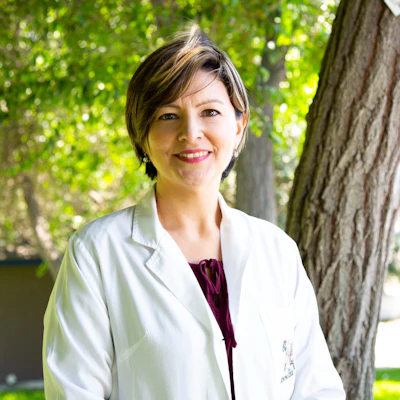
Dr. Manish Gaur
- 13+ years of experience in Surgical Oncologist
- Principal Consultant — Surgical Oncology, Max Super Speciality Hospital & Max Smart Super Speciality Hospital, Saket, New Delhi
- Consultant — Surgical Oncology, Indraprastha Apollo Hospital, New Delhi
- Breast conservation surgery (BCS)
- Modified radical mastectomy with breast reconstruction
- Oncoplastic breast surgery
- Sentinel lymph node biopsy
- Head and neck cancer resections
Dr. Akshat Malik
- 13+ years of experience in Head & Neck Surgical Oncologist
- Senior Consultant, Surgical Oncology — Indraprastha Apollo Hospital, New Delhi
- Visiting Fellow, Head & Neck Surgical Oncology — International cancer centres
- Robotic Thyroidectomy
- Transoral Robotic Surgery (TORS)
- Head and Neck Cancer Resection
- Neck Dissection (Radical and Selective)
- Microvascular Reconstruction
Dr. Dharma Kumar K G
- 13+ years of experience in Surgical Oncologist
- Consultant, Surgical Oncology — Gleneagles Hospitals, Bengaluru, Kengeri
- Senior Surgical Oncologist — Rajiv Gandhi Cancer Hospital, Delhi
- Breast Cancer Surgery and Mastectomy
- Breast-Conserving Surgery with Oncoplasty
- Sentinel Lymph Node Biopsy
- Axillary Lymph Node Dissection
- Thyroid Cancer Resection
Dr. Sanket Shah
- 12+ years of experience in Surgical Oncologist
- Senior Consultant, Surgical Oncology — Gleneagles Hospital, Mumbai, Present
- Surgical Oncologist — Tata Memorial Hospital, Mumbai
- Breast-conserving surgery and oncoplastic reconstruction
- Modified radical mastectomy and sentinel node biopsy
- Head and neck tumor resection with neck dissection
- Thyroidectomy and laryngectomy for cancer
- Laparoscopic ovarian cancer surgery
Dr. Somdipto Das
- 12+ years of experience in Head & Neck Onco-Surgeon
- Consultant — Oral & Maxillofacial Surgery and Head & Neck Oncology, Gleneagles Global Hospitals, Mumbai
- Clinical Research Fellow, Massachusetts General Hospital, Harvard University, USA
- Oral Cancer Resection and Reconstruction
- Neck Dissection (Selective and Radical)
- Oropharyngeal Cancer Surgery
- Laryngeal Cancer Surgery
- Thyroid Cancer Surgery
Dr. Abhishek Budharapu
- 11+ years of experience in Head & Neck Surgical Oncologist
- Consultant Surgical Oncology, Apollo Hospital Jubilee Hills, Hyderabad — Head & Neck Surgical Oncology specialist
- Head & Neck Surgical Oncology training, Kidwai Memorial Institute of Oncology, Bangalore
- Oral Cancer Surgery
- Neck Dissection (Radical and Selective)
- Composite Resection
- Sentinel Lymph Node Biopsy
- Laryngeal Cancer Surgery
Dr. Malyadri Paladugu
- 11+ years of experience in Surgical Oncologist
- Consultant Surgical Oncologist, Yashoda Hospitals, Hi-Tech City, Hyderabad — Present
- Super Speciality Fellow in Oncology, Kidwai Memorial Institute of Oncology, Bengaluru — 2017–2020
- Breast-Conserving Surgery
- Mastectomy with Reconstruction
- Laparoscopic Colorectal Cancer Surgery
- Head and Neck Tumor Resection
- Total Gastrectomy for Gastric Cancer
Dr. Rahul Buggaveeti
- 11+ years of experience in Head & Neck Onco-Surgeon
- Consultant — Head & Neck Surgical Oncology, Apollo Hospitals Jubilee Hills, Hyderabad
- Fellow in Robotic Head and Neck Oncology, Yonsie Institute, South Korea
- Oral cancer resection and reconstruction
- Laryngeal cancer surgery and voice preservation
- Neck dissection (selective and comprehensive)
- Thyroid cancer surgery
- Salivary gland tumor excision
Dr. D. Pon Jeeva Mathan
- 10+ years of experience in Surgical Oncologist
- Consultant, Surgical Oncology — Dr. Rela Institute and Medical Centre, Chennai
- Senior Resident, Surgical Oncology — Tata Medical Center, Kolkata
- Breast-Conserving Surgery
- Mastectomy and Reconstruction
- Sentinel Lymph Node Biopsy
- Endoscopic Breast Surgery
- Endoscopic Thyroid Surgery
Dr. Meghal Sanghavi
- 10+ years of experience in Surgical Oncologist
- Consultant Onco Surgeon, Wockhardt Hospital, South Mumbai & Mumbai Central, Present
- Surgical Oncology practice with 10+ years of clinical experience in cancer surgery
- Breast-conserving surgery (lumpectomy)
- Total mastectomy with reconstruction
- Sentinel lymph node biopsy
- Axillary lymph node dissection
- Colorectal cancer resection
Dr. Priyanka Raina
- 10+ years of experience in Head & Neck Onco-Surgeon
- Senior Consultant, Head & Neck Surgery – Surgical Oncology, Artemis Hospital, Gurugram
- Clinical Training, Head & Neck Oncology, Tata Memorial Cancer Centre, Mumbai
- Oral Cancer Resection and Reconstruction
- Thyroid Cancer Surgery and Neck Dissection
- Laryngeal Cancer Endoscopic Laser Surgery
- Oropharyngeal and Hypopharyngeal Cancer Surgery
- Salivary Gland Tumor Removal
Dr. Swati Nair
- 10+ years of experience in Head & Neck Oncosurgeon
- Associate Consultant — Head & Neck Surgical Oncology, Medanta — The Medicity, Gurgaon, India
- Head & Neck Cancer Surgery fellow, Medanta — The Medicity, Gurgaon, India
- Thyroidectomy (partial and total)
- Parathyroidectomy
- Neck dissection (selective and comprehensive)
- Oral cancer surgery and wide local excision
- Salivary gland surgery (parotid and submandibular)
Dr. Monisha P
- 9+ years of experience in Head & Neck Onco-Surgeon
- Head & Neck Surgical Oncologist – Apollo Hospitals, Bannerghatta Road, Bengaluru
- Specialist in Head and Neck Cancer Surgery – Apollo Hospitals, Bengaluru
- Oral cancer resection and reconstruction
- Laryngeal cancer surgery
- Neck dissection (selective and modified radical)
- Sentinel lymph node biopsy
- Composite resection for advanced tumors
Dr. Ajay Chanakya
- 8+ years of experience in Surgical Oncologist
- Consultant, Surgical Oncology & Peritoneal Surface Oncology & Uro-Oncology, Apollo Hospital Jubilee Hills, Hyderabad
- Specialized training in Uro-Onco Robotic Surgery, Kokilaben Dhirubhai Ambani Hospital, Mumbai
- Robotic-Assisted Radical Prostatectomy
- Cytoreductive Surgery with HIPEC
- Breast-Conserving Surgery
- Total Mastectomy with Axillary Dissection
- Radical Nephrectomy
Dr. Levaka Rahul Reddy
- 8+ years of experience in Surgical Oncologist
- Consultant, Surgical Oncology — Apollo Hospital, Jubilee Hills, Hyderabad
- Associate Consultant, Surgical Oncology — Apollo Cancer Institute, Apollo Health City, Hyderabad
- Colorectal Cancer Resection
- Gastrectomy for Gastric Cancer
- Breast-Conserving Surgery
- Mastectomy with Sentinel Lymph Node Biopsy
- Thyroidectomy for Thyroid Cancer
Dr. Sataksi Chatterjee
- 8+ years of experience in Head & Neck Onco-Surgeon
- Consultant — Head & Neck Surgery and Surgical Oncology, Apollo Hospitals, Navi Mumbai, Present
- 8+ years of specialist practice in head and neck oncology and surgical management
- Oral cancer surgery and reconstruction
- Laryngeal cancer resection
- Oropharyngeal cancer surgery
- Thyroid cancer surgery
- Neck dissection (selective and comprehensive)
Why Patients Come to India for Thyroid Cancer Treatment
Thyroid cancer is the most treatable cancer in this directory, and the thing worth assessing is not who can do the biggest operation but who will recommend the right sized one.
1. Surgeon Volume Changes the Complication Rate
Thyroid surgery has two specific risks, and both are strongly influenced by how often the surgeon operates.
-
The nerves controlling the voice run immediately behind the thyroid
-
The parathyroid glands, which control calcium, sit on its surface and are easily damaged
Surgeons performing this operation frequently have lower rates of both complications. Ask how many thyroidectomies your surgeon performs each year, and what their own rate of permanent voice change and permanent calcium problems is.
2. Nuclear Medicine Facilities on Site
Where radioactive iodine is needed, it requires a licensed facility and usually an isolation period.
-
Ask whether the hospital delivers it on site or refers elsewhere
-
Ask what the isolation arrangements are and how long they last
-
Ask what documentation you will receive for travel afterwards
That last point matters more for international patients than anyone tends to mention, and section 16 explains why.
3. Pathology That Guides the Right Operation
The extent of surgery should follow what the biopsy and imaging show, not a default. A centre that reports fine needle biopsy reliably and stages the neck properly is what allows a smaller operation to be offered safely.
4. Consultations in English
Clinical work at the major centres runs in English, so you can read your own pathology report and carry home a discharge summary your own doctor can act on. Interpreters for Arabic, French, Russian and Kiswahili are available at most of these hospitals.
5. Cost
Costs in India are generally lower than in Europe, North America or the Gulf, and thyroid cancer sits at the lower end of the oncology range because most patients need one operation rather than months of treatment.
Section 14 gives the figures.
Thyroid Cancer Treatment: A Patient's Guide
1. First, the Reassurance
Most thyroid cancer has a good outlook, and that is worth saying before anything else because a cancer diagnosis rarely arrives with reassurance attached.
The commonest type grows slowly and is usually confined to the thyroid or nearby lymph nodes when found. Most patients are treated with surgery and go on to live normally, with the main ongoing requirement being a daily hormone tablet.
That does not make it trivial. It does mean the questions worth asking are different from those for other cancers, and section 5 sets out why.
2. Symptoms, and How It Is Usually Found
Thyroid cancer is often found incidentally, on a scan done for another reason, rather than because of symptoms.
Where symptoms occur:
-
A lump in the front of the neck that can be felt or seen
-
Hoarseness or a change in the voice that persists
-
Difficulty swallowing, or a sensation of something in the throat
-
Swollen lymph nodes in the neck
-
Rarely, difficulty breathing
Most thyroid lumps are not cancer. A persistent lump should still be assessed, with an ultrasound and, where indicated, a fine needle biopsy.
A voice change alongside a neck lump warrants prompt assessment rather than watchful waiting.
3. The Four Types Behave Completely Differently
This determines everything else, so establish which you have.
-
Papillary is by far the commonest. It grows slowly, often spreads to neck lymph nodes without that greatly affecting the outlook, and generally responds well to treatment.
-
Follicular is less common, behaves similarly, and is more likely than papillary to spread through the bloodstream to lungs or bone.
-
Medullary arises from different cells, does not respond to radioactive iodine, and may be inherited. Genetic testing is relevant here in a way it is not for the others.
-
Anaplastic is rare and aggressive, needs urgent treatment, and is managed quite differently from the others.
Papillary and follicular together account for the large majority, and it is those two the reassuring picture in section 1 describes. If you have medullary or anaplastic disease, much of what is written about thyroid cancer generally does not apply to you.
For the pathway across all types, see how thyroid cancer is treated.
4. Diagnosis
-
Ultrasound of the neck, assessing the nodule and the lymph nodes
-
Fine needle biopsy, taking cells from the nodule with a thin needle, usually under ultrasound guidance
-
Blood tests of thyroid function, and a specific marker where medullary cancer is suspected
-
Genetic testing, relevant for medullary cancer and its inherited form
-
CT or MRI, where the disease appears more extensive
-
Radioactive iodine scan, in defined situations rather than routinely
Fine needle biopsy results are sometimes indeterminate, meaning neither clearly benign nor clearly malignant. If yours was, ask what the plan is, because that situation has its own pathway rather than defaulting to surgery.
5. The Question Most Patients Are Not Asked: How Much Surgery
This is the most important section on the page.
For decades total thyroidectomy, removing the whole gland, was the standard operation for almost all thyroid cancer. That has changed. For many low-risk cancers, removing only the affected half is now considered appropriate, and guidelines have moved in that direction.
The difference matters permanently:
-
Lobectomy removes half the gland. Many patients retain enough function to avoid lifelong hormone tablets, and the risks to voice nerves and parathyroid glands apply to one side only.
-
Total thyroidectomy removes the whole gland. It commits you to a daily hormone tablet for life, and it doubles the anatomy at risk during surgery.
Total thyroidectomy is still the right operation for many patients, including those with larger tumours, extensive node involvement, certain types, or where radioactive iodine will be needed.
Ask directly: why this operation rather than the smaller one? A good surgeon will have a clear answer specific to your tumour. If the answer is that this is what they always do, seek a second opinion.
For selected very small papillary cancers, active surveillance rather than immediate surgery is also a recognised option at experienced centres. It is not right for everyone and it is not widely offered, but it is worth knowing it exists.
6. Surgical Options
-
Lobectomy removes one lobe, for low-risk cancers confined to that side
-
Total thyroidectomy removes the whole gland
-
Central neck dissection removes lymph nodes immediately around the thyroid, where they are involved
-
Lateral neck dissection removes nodes from the side of the neck, where imaging or biopsy shows involvement
-
Completion thyroidectomy removes the remaining half in a second operation, where pathology after lobectomy shows more extensive disease than expected
Hospital stay is commonly three to five days, and recovery to normal activity often takes one to two weeks.
Ask specifically what will be done about the lymph nodes and on what evidence, since removing nodes that are not involved adds risk without benefit.
7. The Two Risks Worth Understanding
Both are uncommon in experienced hands and both are permanent when they occur, which is why surgeon volume matters.
Voice change. The nerves supplying the vocal cords run immediately behind the thyroid. Temporary hoarseness after surgery is common and usually settles. Permanent voice change is uncommon but does happen, and it matters disproportionately for anyone whose work depends on their voice.
Calcium problems. The parathyroid glands sit on the thyroid surface and control calcium. Temporary low calcium after total thyroidectomy is common and treated with supplements. Permanent damage, requiring lifelong calcium and vitamin D, is uncommon but possible.
Ask your surgeon for their own rates of both, and ask whether they monitor the nerves during surgery. These questions are reasonable and a high-volume surgeon will not be offended by them.
8. Radioactive Iodine Is Not for Everyone
The second place where less can be more.
Radioactive iodine is taken as a capsule or drink, absorbed by thyroid tissue, and used to destroy any remaining thyroid cells after surgery. It works only for papillary and follicular cancer, not for medullary or anaplastic.
For years it was given to nearly everyone after total thyroidectomy. Guidance has moved away from that:
-
For low-risk cancers, it is often not recommended at all
-
For intermediate-risk disease, it is a judgement call
-
For higher-risk disease, it is standard
It is not without cost to the patient. It requires preparation, usually an isolation period, and it carries its own side effects and long-term considerations.
If radioactive iodine has been recommended, ask what risk category you are in and why it applies to you. Several published cost pages present it as a routine part of thyroid cancer treatment. For many patients it is not.
9. Life After Total Thyroidectomy
Where the whole gland is removed, you will take a thyroid hormone tablet every day for the rest of your life. This is not optional and it is not temporary.
-
The tablet is inexpensive, quoted at a very low monthly cost in India
-
The dose needs adjusting, guided by blood tests, particularly in the first year
-
In thyroid cancer the dose is sometimes set deliberately higher than simple replacement, to suppress the hormone that stimulates thyroid tissue
-
You need a reliable supply and reliable testing wherever you live
That last point deserves thought before you travel for treatment. Ask what dose you will go home on, how often blood tests are needed, and whether the same preparation is available in your country.
10. Other Treatments
External Beam Radiation
-
When it is used: where surgery cannot remove everything, or for types that do not take up iodine
-
How it is given: daily sessions over several weeks
-
Who it applies to: a minority of thyroid cancer patients
Targeted Therapy
-
What it is: treatment directed at specific molecular changes driving the cancer
-
When it is used: advanced disease that no longer responds to iodine, and selected medullary cancers
-
How it is given: usually as tablets over an extended period
Chemotherapy
-
The honest position: conventional chemotherapy has a limited role in thyroid cancer
-
When it is used: mainly for anaplastic disease
Several cost pages list chemotherapy among standard thyroid cancer treatments. For the great majority of patients it is not part of the plan.
11. Medullary Thyroid Cancer and Your Family
This type deserves separate treatment because the implications extend beyond the patient.
Medullary thyroid cancer arises from different cells and can be inherited, associated with changes in a specific gene. Where an inherited change is present:
-
Relatives can be tested and, where positive, offered surveillance or preventive surgery
-
Other glands may be affected, so screening for associated conditions is part of the assessment
-
Radioactive iodine does not work for this type, so treatment relies on surgery and, in advanced cases, targeted therapy
-
A blood marker is used for monitoring rather than the marker used in other thyroid cancers
If you have been diagnosed with medullary thyroid cancer, ask whether genetic testing has been done and whether genetic counselling is available. A positive result changes what your children and siblings should do.
12. Who Is on the Team
-
Endocrinologist. Often the first specialist, arranging the ultrasound and biopsy and managing hormone treatment afterwards.
-
Radiologist. Performs the ultrasound-guided biopsy and assesses the neck.
-
Pathologist. Reports the type, which determines the entire plan.
-
Endocrine, head and neck, or surgical oncology surgeon. Performs the operation. Compare specialists in our surgical oncology directory.
-
Nuclear medicine physician. Delivers and supervises radioactive iodine where it is needed.
-
Medical oncologist. Involved in advanced disease requiring targeted therapy. See medical oncologists across India.
-
Radiation oncologist. Involved in the minority of cases where external radiation applies. See radiation oncologists in India.
For most patients the surgeon and the endocrinologist are the two who matter over the long term.
13. Records to Bring or Send
-
Neck ultrasound report, with images, since this drives the surgical plan
-
Fine needle biopsy result, in full rather than summarised
-
Thyroid function blood results
-
Where medullary cancer is suspected or confirmed, the relevant marker and any genetic testing
-
CT or MRI where performed
-
Where surgery has already been done, the operation note and full pathology, including what was removed and node findings
-
Current medicine list, particularly any thyroid hormone dose
-
Family history of thyroid or endocrine disease
The biopsy result matters most. If it was indeterminate rather than clearly malignant, say so when you send it, because that changes the conversation entirely.
14. Published Costs
Indicative published ranges, checked August 2026, in US dollars. Not quotes.
Overall course. Published totals sit at the lower end of the oncology range:
-
About 1,880 to 3,350 in one source
-
About 3,000 to 9,500 in another
-
Rupee ranges elsewhere equivalent to roughly 2,400 to 12,000, with the upper figures covering advanced disease with multiple treatments
Individual components:
-
Total thyroidectomy: roughly 2,400 to 4,800
-
Robotic assistance, where offered: adds roughly 600 to 1,200
-
Radioactive iodine: roughly 600 to 1,750 per session in most sources, with one source quoting higher. Most patients who need it require one to three sessions.
-
External beam radiation: roughly 1,200 to 3,600 for a course of twenty-five to thirty sessions
-
Targeted therapy: roughly 3,500 to 4,500 where it applies
-
Diagnostics: roughly 120 to 300 for ultrasound, biopsy, scans and blood panels
-
Hormone replacement: quoted at roughly 12 to 24 dollars per month, continuing for life after total thyroidectomy
-
Post-surgery medication and stay: roughly 60 to 180
Three things worth noting.
This is the least expensive cancer in this directory to treat, because most patients need one operation and follow-up rather than months of systemic therapy. That is a function of the disease rather than of Indian pricing.
Basic packages often exclude diagnostics and follow-up. One source states plainly that pre-treatment imaging, biopsy and blood tests, and post-treatment hormone replacement and periodic scans, are usually billed separately. Ask what is inside the quoted figure.
The cheapest line is the one that never stops. Hormone replacement is a few dollars a month and continues for the rest of your life, alongside periodic blood tests. Over decades that is a real commitment, and it is a reason the lobectomy question in section 5 matters.
Confirm any figure in writing, and ask for the estimate itemised.
15. What an Estimate Should Cover
-
Ultrasound, fine needle biopsy and blood tests, which are often billed separately
-
The specific operation quoted, and whether lobectomy or total thyroidectomy
-
Neck dissection, if lymph nodes are to be removed
-
Completion thyroidectomy, if pathology after lobectomy calls for a second operation
-
Radioactive iodine, stated per session with the expected number of sessions
-
Isolation facility charges during radioactive iodine
-
Calcium and vitamin D treatment, if parathyroid function is affected
-
Hormone replacement and the blood tests to adjust it
-
Follow-up scans and reviews after you return home
Ask about completion thyroidectomy specifically. If you are having a lobectomy, there is a defined chance that pathology will call for the other half to be removed, and knowing the cost in advance is better than discovering it.
16. Radioactive Iodine and International Travel
This is a practical matter that almost nothing published covers, and it affects anyone travelling home after treatment.
After radioactive iodine you remain mildly radioactive for a period. That has three consequences:
-
An isolation period, usually in hospital, with restrictions on close contact afterwards for a defined time
-
Restrictions on contact with children and pregnant women for a period after discharge
-
Radiation detectors at airports and borders may be triggered for weeks afterwards, even when you are entirely safe
Ask the nuclear medicine department for a letter stating the treatment, the date, the dose and the expected duration of detectability, in English, on hospital letterhead. Carry it with you.
This is routine to request and easily forgotten. Being stopped at a border without documentation is avoidable and unpleasant.
Also ask when it is safe to fly and how long the contact restrictions last, particularly if you are travelling with young children.
17. Follow-up
Follow-up after thyroid cancer continues for years, and it is usually light rather than burdensome.
-
Blood tests, checking hormone levels and a cancer marker used for monitoring
-
Neck ultrasound at intervals
-
Dose adjustment of hormone replacement, particularly in the first year
-
Further scans, only where indicated rather than routinely
Before you leave the country, collect the operation note, the full pathology report stating the type and what was removed, the radioactive iodine record with the dose if given, your current hormone dose, and a written follow-up schedule.
Ask whether the Indian team will review blood results and scan reports sent from home. For thyroid cancer this is more practical than for most cancers, because monitoring is largely blood tests and ultrasound.
18. Looking Wider
For the treatment pathway across thyroid cancer, see how thyroid cancer is treated in India.
To compare specialists by discipline, see surgical oncologists in India, medical oncologists and radiation oncologists.
To discuss your own reports, send them to us on WhatsApp at wa.me/919044346292 or by email at care@gaf.healthcare.
Medical Review
Clinical review: required before publication by an endocrine surgeon, head and neck surgeon, or endocrinologist with thyroid cancer experience. The radioactive iodine sections would benefit from a nuclear medicine reviewer.
Medical content review: Dr. Shabnam, BDS, five years in medical content writing and review. Editorial review of medical content, not specialist clinical review.
Editorial review: Abdul Azeem, MA (Public Health specialisation).
Prepared with reference to published endocrine and oncology guidance and peer-reviewed literature on thyroid cancer management.
How we selected these doctors
A doctor appears on this page when their listed specialty maps to Surgical Oncology and their profile names thyroid cancer treatment (or a matching term) among the procedures they perform. Doctors are not ranked by a proprietary "best" score — the order follows years of listed experience (highest first), the same field shown on each doctor's profile. This page does not display aggregate star ratings.
Other surgical oncology procedures
Leading Hospitals for Thyroid Cancer Treatment in India
 🇮🇳 Gurgaon, India
 🇮🇳 Hyderabad, India
 🇮🇳 New Delhi, India
 🇮🇳 Chennai, India
 🇮🇳 Gurgaon, India
 🇮🇳 Chennai, India
 🇮🇳 Chennai, India
 🇮🇳 New Delhi, India🇮🇳 Mumbai, India🇮🇳 Bangalore, India🇮🇳 Kolkata, India🇮🇳 Parel, Mumbai, India
Doctors in specific cities
Curious what thyroid cancer treatment might cost for your case? Use our cost calculator for a personalized estimate.
How to Select the Best Doctor for Thyroid Cancer Treatment in India?
Choosing the right surgical oncology surgeon for thyroid cancer treatment is one of the most important decisions in your treatment journey. A few factors are worth weighing before you decide:
Experience and Expertise
Look for a surgeon with a strong track record in thyroid cancer treatment specifically, not just surgical oncology in general. Years of listed experience — shown on every profile below — is a reasonable starting point.
Specialization
Check that the doctor's listed procedures actually include thyroid cancer treatment (see the doctor cards below) rather than only general surgical oncology.
Hospital Affiliation
The hospital matters as much as the surgeon. Look for an accredited centre with a dedicated surgical oncology unit, ICU support, and experience treating international patients — see "Hospitals where these doctors operate" below.
Communication and Second Opinions
You should be able to get clear answers about your case before committing to travel. Ask for a written second opinion on your reports, in a language you're comfortable in, before you decide.
Transparent Costs
Ask for an itemised, all-inclusive estimate — surgeon's fee, hospital charges and stay — before you travel, so there are no surprises once treatment begins. Our cost calculator (linked below) gives a starting estimate.
How GAF Healthcare Assists in Choosing the Best Doctor for Thyroid Cancer Treatment in India
Discover the Top Doctors for Thyroid Cancer Treatment in India
This page lists 44 surgical oncology specialists who perform thyroid cancer treatment across 18 hospitals in India, so you can compare experience and hospital affiliation in one place.
Support When You Need It Most
Share your medical reports with us on WhatsApp or email. Our medical team reviews them and comes back with a recommended doctor, hospital and treatment plan for your case.
Transparent, All-Inclusive Costs
We provide a single, itemised quote covering the doctor's fee, hospital charges and stay — no hidden fees, and there's no charge for requesting an estimate. Use our cost calculator alongside this page for a first estimate.
Visa, Travel and Stay Coordination
Once you choose a doctor, we help arrange the medical visa invitation letter, hotel or serviced-apartment booking near the hospital, airport pickup and transport to your appointments.
On-the-Ground and Language Support
A dedicated, language-speaking companion can accompany you to appointments, and our team stays in touch after you return home to check on your recovery.
Patient Success Story
Frequently asked questions about Thyroid Cancer Treatment in India
Is thyroid cancer serious?
What are the symptoms of thyroid cancer?
What are the different types of thyroid cancer?
Do I need my whole thyroid removed?
Can a very small thyroid cancer just be watched?
What are the risks of thyroid surgery?
Does it matter how many thyroid operations my surgeon performs?
Will I need radioactive iodine?
What does radioactive iodine treatment involve?
Will I set off airport radiation detectors after treatment?
Will I need to take tablets for life?
Why is my hormone dose higher than simple replacement?
My medullary thyroid cancer might be inherited. What does that mean for my family?
How much does thyroid cancer treatment cost in India?
What is usually left out of a thyroid cancer package price?
How are the doctors on this page chosen and ordered?
Is GAF Healthcare a hospital?
Contact us to report an inaccuracy on this page.