
Best Neurosurgeons for Endoscopic Third Ventriculostomy (ETV) in India

This page lists 5 endoscopic third ventriculostomy (etv) doctors in India. Review each doctor's experience, specialty and hospital, then contact our care team for help with the next step.

Quick answer

This page lists 5 endoscopic third ventriculostomy (etv) doctors in India. Review each doctor's experience, specialty and hospital, then contact our care team for help with the next step.

About Endoscopic Third Ventriculostomy (ETV) doctors in India

This directory is based on doctors currently listed in GAF Healthcare's registry. Clinical suitability varies by patient; a doctor should review your history and investigations before any treatment decision.

Endoscopic Third Ventriculostomy (ETV) doctors
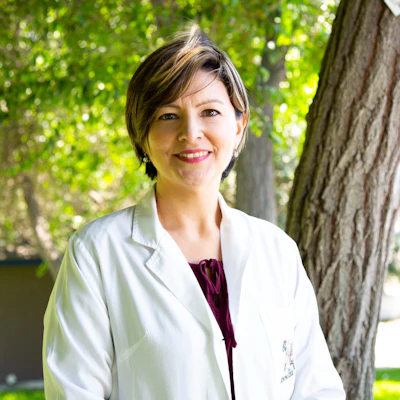
Dr. Rajiv Anand Featured

Dr. Rajiv Anand

MBBS, MS (General Surgery), MCh (Neurosurgery), Fellowship in Epilepsy Surgery, Fellowship in Skull-Base Surgery
Senior Consultant & Head of Neurosurgery · Specialty: Neurosurgeon
Apollo Hospitals New Delhi, India30+ Years experience
Why consider this doctor?
  • 30+ years of experience in Neurosurgeon
  • Senior Consultant & Head of Neurosurgery, Apollo Hospitals New Delhi (2000 – Present)
  • Associate Professor of Neurosurgery, AIIMS New Delhi (1994 – 2000)
Expertise & Procedures
  • Brain Tumour Resection (Glioma, Meningioma, Metastasis)
  • Acoustic Neuroma Surgery
  • Pituitary Tumour Surgery (Transsphenoidal)
  • Cerebral Aneurysm Clipping
  • AVM Surgery
View all procedures →
Neurosurgeon Experience: 30+ YearsHospital Affiliation: Apollo HospitalsHospital accreditation: JCI, NABH
Image not available

Dr. Krishna Chaitanya N

MBBS, MS (Master of Surgery), M.Ch (Neurosurgery)
Consultant Neurosurgeon, Neurosurgery · Specialty: Neurosurgeon
Apollo Hospitals, Bannerghatta Road Bengaluru, India16+ Years experience
Why consider this doctor?
  • 16+ years of experience in Neurosurgeon
  • Serving as Consultant Neurosurgeon at Apollo Hospitals, Bannerghatta Road, Bengaluru — his primary base of practice.
  • Built a focused clinical practice in brain tumor surgery, endoscopic neurosurgery, and cranial procedures over 16+ years.
Expertise & Procedures
  • Brain Tumor Surgery
  • Meningioma Surgery
  • Glioma Surgery
  • Endoscopic Brain Surgery
  • Craniotomy
View all procedures →
Neurosurgeon Experience: 16+ YearsHospital Affiliation: Apollo Hospitals, Bannerghatta RoadHospital accreditation: JCI, NABH
Image not available

Dr. Mohit Mohindra

MBBS, MS in General Surgery, DrNB in Neurosurgery, Fellowship in Endoscopic Skull Base Neurosurgery, Fellowship in Minimally Invasive Neurosurgery, MISSAB Fellowship (Minimally Invasive Spine Surgeons of Bharat)
Associate Consultant, Neurosurgery · Specialty: Neurosurgeon
Medanta – The Medicity Gurugram, India10+ Years experience
Why consider this doctor?
  • 10+ years of experience in Neurosurgeon
  • Currently serving as Associate Consultant in Neurosurgery and Neurosciences at Medanta – The Medicity, Gurugram.
  • Completed three advanced fellowship programs at Medanta in Endoscopic Skull Base Neurosurgery, Minimally Invasive Neurosurgery, and the MISSAB spine fellowship.
Expertise & Procedures
  • Brain Tumor Surgery
  • Endoscopic Brain Surgery
  • Skull Base Tumor Surgery
  • Pituitary Tumor Surgery
  • Craniotomy
View all procedures →
Neurosurgeon Experience: 10+ YearsHospital Affiliation: Medanta – The MedicityHospital accreditation: JCI, NABH
Image not available

Dr. Nitin Chore

MBBS, MS (General Surgery), MCh (Neurosurgery) — Gold Medalist, Fellowship in Neuroendoscopy Surgery (Brain and Spine)
Consultant, Neuro Surgery & Neuro Spine · Specialty: Neurosurgeon
BLK-Max Super Speciality Hospital New Delhi, India11+ Years experience
Why consider this doctor?
  • 11+ years of experience in Neurosurgeon
  • Currently serving as Consultant in Neuro Surgery & Neuro Spine at BLK-Max Super Speciality Hospital, New Delhi.
  • Previously worked as a Neurosurgeon at Fortis Hospital, Shalimar Bagh, New Delhi.
Expertise & Procedures
  • Endoscopic Brain Surgery
  • Brain Tumor Surgery
  • Skull Base Tumor Surgery
  • Pituitary Tumor Surgery
  • Craniotomy
View all procedures →
Neurosurgeon Experience: 11+ YearsHospital Affiliation: BLK-Max Super Speciality HospitalHospital accreditation: JCI, NABH
Image not available

Dr. Sundeep V K

MBBS, MS (Master of Surgery), MCh in Neurosurgery
Consultant, Neurosurgery · Specialty: Neurosurgeon
Apollo Hospitals, Bannerghatta Road Bengaluru, India10+ Years experience
Why consider this doctor?
  • 10+ years of experience in Neurosurgeon
  • Currently serving as Consultant Neurosurgeon at Apollo Hospitals, Bannerghatta Road, Bengaluru.
  • Built over 10 years of clinical and surgical experience managing a wide range of cranial and spinal neurosurgical conditions.
Expertise & Procedures
  • Brain Tumor Surgery
  • Endoscopic Brain Surgery
  • Meningioma Surgery
  • Craniotomy
  • Skull Base Surgery
View all procedures →
Neurosurgeon Experience: 10+ YearsHospital Affiliation: Apollo Hospitals, Bannerghatta RoadHospital accreditation: JCI, NABH

Hospitals where these doctors practise

Apollo Hospital, Bannerghatta Road🇮🇳 Bangalore, India
Starting from$4,500

Apollo Hospital, Bannerghatta Road

Est. 2007
JCIJoint Commission International accreditationNABHNational Accreditation Board for Hospitals & Healthcare Providers accreditation
Endoscopic Third Ventriculostomy (ETV)NeurosurgeryCardiac SurgeryCardiology
2+
Doctors for Endoscopic Third Ventriculostomy (ETV)
4.2
25 reviews
250+
Beds
19+
Years Since Founded
Dr. Krishna Chaitanya NDr. Sundeep V K
Medanta - The Medicity🇮🇳 Gurgaon, India
Starting from$4,500

Medanta - The Medicity

Est. 2009
JCIJoint Commission International accreditationNABHNational Accreditation Board for Hospitals & Healthcare Providers accreditation
Endoscopic Third Ventriculostomy (ETV)NeurosurgeryCardiac SurgeryCardiology
1+
Doctors for Endoscopic Third Ventriculostomy (ETV)
4.9
2150 reviews
1600+
Beds
17+
Years Since Founded
Dr. Mohit Mohindra
BLK-Max Super Speciality Hospital🇮🇳 New Delhi, India
Starting from$4,500

BLK-Max Super Speciality Hospital

Est. 1959
JCIJoint Commission International accreditationNABHNational Accreditation Board for Hospitals & Healthcare Providers accreditation
Endoscopic Third Ventriculostomy (ETV)NeurosurgeryCardiac SurgeryCardiology
1+
Doctors for Endoscopic Third Ventriculostomy (ETV)
3.8
48 reviews
650+
Beds
67+
Years Since Founded
Dr. Nitin Chore

Why consider treatment in India?

Many international patients consider India for hydrocephalus treatment for several reasons, including:

More affordable estimates

Competitive indicative costs compared with many other countries, for similar clinical standards.

Internationally accredited hospitals

Hospitals experienced in treating international patients.

Experienced specialists

Doctors who regularly manage similar cases.

Care coordination support

A team to help with planning, medical translation and follow-up.

About the Procedure

What is Endoscopic Third Ventriculostomy (ETV)?

Endoscopic Third Ventriculostomy (ETV) is a minimally invasive neurosurgical procedure used to treat obstructive hydrocephalus by creating a small opening in the floor of the third ventricle, allowing cerebrospinal fluid (CSF) to bypass the blockage and flow normally around the brain and spinal cord. It is often performed as an alternative to permanent shunt placement, reducing long-term dependency on hardware. The procedure is done using a neuroendoscope inserted through a small burr hole in the skull.

Who may be considered?

Endoscopic Third Ventriculostomy (ETV) may be considered after a qualified specialist reviews your reports and medical history. Suitability varies from person to person and must be assessed by your treating doctor.

How does it work?

A rigid or flexible neuroendoscope is introduced through a frontal burr hole to fenestrate the third ventricle floor under direct visualization, restoring normal CSF flow.

2 approaches available for this procedure:

Standard Neuroendoscopic ETV

Most Common

A rigid or flexible neuroendoscope is introduced through a frontal burr hole to fenestrate the third ventricle floor under direct visualization, restoring normal CSF flow.

Comprehensive Investigations

Estimated cost: $300 - $800

MRI brain with CSF flow study, CT head, CBC, coagulation profile, ECG, renal and liver function tests, neurosurgical and anesthesia fitness evaluation

Treatment / Procedure Estimate

Estimated cost in India: $4,500 - $8,000

Stay in India

Pre-procedure stay (outside hospital): ~1-2 days
Hospitalisation: ~4-6 days
Recovery period (outside hospital): ~2-3 weeks recommended
Total stay: approx 10-14 days

Usually Included in Hospital Package

  • Pre-operative consultation with neurosurgeon
  • Neuroendoscopic surgery and OT charges
  • Standard ward/private room stay
  • Post-operative CT/MRI to confirm patency
  • Nursing care and routine medications during stay

Usually Not Included

  • International/domestic travel and visa costs
  • Accommodation for attendant outside hospital
  • ICU stay beyond standard protocol if complications arise
  • Long-term follow-up imaging after discharge
  • Rehabilitation or physiotherapy if required

Recovery and follow-up

Most patients are mobilized within 24-48 hours after surgery, with hospital discharge typically in 4-7 days depending on age and clinical progress. Follow-up MRI is usually done at 3 and 6 months to confirm the ventriculostomy remains patent and symptoms of hydrocephalus have resolved.

Risks

Potential risks include bleeding, infection, transient fever, CSF leak, and rarely, failure of the ventriculostomy requiring conversion to a shunt or repeat procedure. Injury to nearby neural or vascular structures is uncommon but is a recognized risk of the procedure.

Alternatives

The main alternative is ventriculoperitoneal (VP) shunt placement, which diverts CSF to the abdominal cavity but carries lifelong risk of blockage or infection requiring revision. In select cases, medical management or addressing the underlying cause (e.g., tumor removal) may reduce or eliminate the need for CSF diversion surgery.

What we need to prepare a formal estimate

Share whatever you have — the care team will confirm the final checklist after reviewing your case.

Reports required

  • Recent MRI brain (with CSF flow study/cine-MRI if available)
  • CT head scan
  • Detailed neurological examination notes
  • History of hydrocephalus and any prior shunt/ETV procedures
  • Pediatric growth chart and head circumference records (if child)
  • Blood investigation reports (CBC, coagulation profile)
  • Current medication list
  • Ophthalmology report (fundus exam for papilledema, if done)

Patient information needed

  • Patient age and weight (critical for pediatric dosing and anesthesia planning)
  • Underlying cause of hydrocephalus (congenital, tumor, infection, hemorrhage)
  • Symptom history (headache, vomiting, vision changes, developmental delay)
  • Any prior neurosurgical procedures or shunt history
  • Known allergies or chronic medical conditions
  • Current level of consciousness and functional status
  • Attendant/caregiver availability for travel and post-op care
  • Passport and visa readiness for international travel

Costs shown are indicative planning estimates based on typical pricing across leading Indian hospitals. They are not a quote — actual pricing depends on your case complexity, hospital choice, and length of stay. Share your reports for a personalized estimate.

Want a formal estimate?

Share your reports and patient information so our care coordination team can review your case.

How this directory is built

Doctors are matched using the specialty, location, condition (Endoscopic Third Ventriculostomy (ETV)) and procedure (Endoscopic Third Ventriculostomy (ETV)) recorded in their profiles. Inclusion is not an endorsement and does not guarantee a treatment outcome.

Need help with the next step?

Share your needs with our care coordination team for information about doctors and hospitals.

Common questions

FAQs about Endoscopic Third Ventriculostomy (ETV) in India

What is Hydrocephalus?
Hydrocephalus is the pathological build-up of cerebrospinal fluid in and around the brain, causing the ventricles (fluid-filled spaces) to enlarge and increasing pressure within the skull. It is not a single disease but a condition with multiple possible underlying causes, each influencing the appropriate treatment approach.
What are the symptoms and health risks of Hydrocephalus?
Symptoms vary considerably with age and how quickly pressure builds: infants may show a rapidly enlarging head, bulging fontanelle, and downward-deviated eyes, while older children and adults more commonly experience persistent headaches (often worse in the morning), nausea, vomiting, blurred or double vision, difficulty walking, and declining memory or cognition. In older adults with normal-pressure hydrocephalus (NPH), the classic triad of gait instability, urinary incontinence, and progressive cognitive decline is often described. It is important to note that these symptoms overlap with many other neurological conditions and cannot be used alone to confirm a diagnosis — formal evaluation by a qualified specialist is necessary.
How is Hydrocephalus diagnosed?
Diagnosis is established through a combination of clinical assessment and neuroimaging, most commonly MRI or CT scanning, which can reveal ventricular enlargement (measured using indices such as the Evans index), identify any obstructing lesion, and help distinguish obstructive (non-communicating) from absorptive (communicating) hydrocephalus. Lumbar puncture may be performed to measure opening CSF pressure and, in suspected NPH, to assess whether temporary CSF drainage produces symptomatic improvement — a useful predictive test before surgery. Additional investigations such as intracranial pressure monitoring or CSF flow studies may be recommended depending on the clinical picture; the appropriate workup is determined on an individual basis by the treating team.
How is Hydrocephalus treated?
Treatment is tailored to the underlying cause, the type of hydrocephalus, the patient's age, and overall clinical condition, and should always be guided by a qualified neurosurgeon following thorough assessment. Where surgery is indicated, the two most established procedures are ventriculoperitoneal (VP) shunt placement — which diverts excess CSF from the brain to the abdominal cavity via a valve-regulated tube — and endoscopic third ventriculostomy (ETV), which creates an internal bypass within the brain to restore CSF flow without an implanted device. ETV is generally preferred in obstructive hydrocephalus in suitable candidates, while shunting remains the standard approach for many communicating and complex cases; individual suitability for each procedure depends on factors including patient age, the ETV Success Score (ETVSS), and underlying anatomy.
Can Hydrocephalus be treated without a procedure?
In the majority of symptomatic hydrocephalus cases, surgery is the definitive and often essential treatment, as there is no reliable long-term non-surgical pathway for most forms of the condition. However, in carefully selected situations — such as mild or slowly progressive communicating hydrocephalus, or as a short-term bridge measure — medications that temporarily reduce CSF production (such as acetazolamide) may be used under close specialist supervision, though evidence for their sustained benefit is limited. Watchful waiting with regular clinical and imaging review may also be appropriate in very mild or incidentally detected cases, but this decision must be made by a qualified specialist based on the full clinical picture.
When is Endoscopic Third Ventriculostomy (ETV) considered for Hydrocephalus?
Endoscopic Third Ventriculostomy (ETV) may be considered only when it is appropriate for the confirmed diagnosis and the expected benefit outweighs the individual risks. The decision may depend on symptom severity, investigation results, previous treatment, overall health and the patient's goals. A specialist should discuss alternatives and recovery before any procedure is planned.
Which doctor treats Hydrocephalus?
Hydrocephalus is primarily evaluated and managed by a neurosurgeon, specifically one with experience in CSF disorders and neuro-endoscopy. In complex or congenital cases — particularly in children — a multidisciplinary team including a pediatric neurosurgeon, neurologist, and neuro-ophthalmologist may be involved in ongoing care.
How do I choose a doctor for Hydrocephalus?
When selecting a specialist for hydrocephalus, look for a neurosurgeon with documented experience in both shunt surgery and endoscopic procedures (such as ETV), affiliated with a centre that offers neuroimaging, neuro-intensive care support, and structured long-term follow-up — as shunt revision and monitoring are often needed over time. Asking about a surgeon's case volume for your specific type and age group, their complication management protocols, and the availability of a multidisciplinary team can help you make a more informed comparison.
What documents do international patients need to share for a medical evaluation?
Share a concise medical summary, symptom timeline, previous diagnoses, investigation and imaging reports, procedure or biopsy reports where relevant, current medicines, allergies and related treatment records. Provide clear copies with translations when needed. The reviewing doctor may request additional information before giving an opinion.
How does GAF Healthcare help international patients plan treatment in India?
Our care coordination team can review the initial information, help identify suitable doctors and hospitals, request a medical opinion where available, explain next steps and indicative cost information, and support practical planning before travel. A remote opinion does not replace an in-person examination or emergency care.
