
Best Hematologists for BMT For Thalassemia in India

This page lists 1 bmt for thalassemia doctor in India. Review each doctor's experience, specialty and hospital, then contact our care team for help with the next step.

Quick answer

This page lists 1 bmt for thalassemia doctor in India. Review each doctor's experience, specialty and hospital, then contact our care team for help with the next step.

About BMT for Thalassemia doctors in India

This directory is based on doctors currently listed in GAF Healthcare's registry. Clinical suitability varies by patient; a doctor should review your history and investigations before any treatment decision.

BMT for Thalassemia doctors
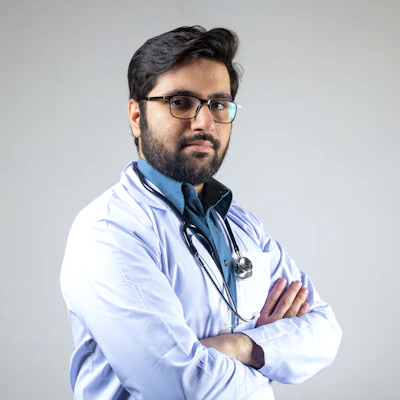
Dr. Rahul Bhargava Featured

Dr. Rahul Bhargava

MBBS, MD (General Medicine), DM (Clinical Hematology), Advanced Fellowship in Unrelated and Haploidentical Transplant
Principal Director & Chief – Hematology · Specialty: Hematologist & BMT Specialist
Fortis Memorial Research Institute Gurgaon, India20+ Years experience
Why consider this doctor?
  • 20+ years of experience in Hematologist & BMT Specialist
  • Principal Director – Hemato-Oncology, Fortis Memorial Research Institute, Gurugram (2017 – Present)
  • Head of Hematology and BMT, Artemis Hospital, Gurugram (2013 – 2016)
Expertise & Procedures
  • Autologous Bone Marrow Transplant
  • Allogeneic Bone Marrow Transplant
  • Haploidentical BMT
  • Unrelated Donor BMT
  • Peripheral Blood Stem Cell Transplantation
View all procedures →
Hematologist & BMT Specialist Experience: 20+ YearsHospital Affiliation: Fortis Memorial Research InstituteHospital accreditation: JCI, NABH

Hospitals where these doctors practise

Why consider treatment in India?

Many international patients consider India for thalassemia major treatment for several reasons, including:

More affordable estimates

Competitive indicative costs compared with many other countries, for similar clinical standards.

Internationally accredited hospitals

Hospitals experienced in treating international patients.

Experienced specialists

Doctors who regularly manage similar cases.

Care coordination support

A team to help with planning, medical translation and follow-up.

About the Procedure

What is BMT for Thalassemia?

Bone Marrow Transplant (BMT) for Thalassemia Major is a curative treatment that replaces the patient's defective blood-forming stem cells with healthy stem cells from a matched donor, enabling normal hemoglobin production. It is typically recommended for children and young adults with Thalassemia Major who have a suitable donor and are in good clinical condition. India offers internationally accredited BMT centers with high success rates at a fraction of Western costs, making it a leading destination for thalassemia transplants.

Who may be considered?

BMT for Thalassemia may be considered after a qualified specialist reviews your reports and medical history. Suitability varies from person to person and must be assessed by your treating doctor.

How does it work?

Stem cells are collected from a fully HLA-matched sibling, offering the highest success rates and lowest complication risk among all BMT approaches for thalassemia.

3 approaches available for this procedure:

Matched Sibling Donor (MSD) BMT

Most Common & Best Outcomes

Stem cells are collected from a fully HLA-matched sibling, offering the highest success rates and lowest complication risk among all BMT approaches for thalassemia.

Comprehensive Investigations

Estimated cost: $500 - $1,500

HLA typing of patient and siblings, CBC, iron studies (ferritin), liver and cardiac MRI (T2*), ECG, echocardiography, viral screening (HIV, Hepatitis B/C), organ function tests (LFT, KFT), chest X-ray

Treatment / Procedure Estimate

Estimated cost in India: $20,000 - $32,000

Stay in India

Pre-procedure stay (outside hospital): ~5-7 days
Hospitalisation: ~30-35 days
Recovery period (outside hospital): ~60-90 days recommended
Total stay: approx 45-60 days in India

Usually Included in Hospital Package

  • Pre-transplant workup and HLA typing
  • Conditioning chemotherapy
  • Stem cell infusion and isolation room stay
  • Post-transplant monitoring till engraftment
  • Coordinator and interpreter support

Usually Not Included

  • Donor travel and accommodation (if international)
  • Long-term immunosuppressant medications after discharge
  • Management of unexpected complications (GVHD, infections)
  • Post-discharge accommodation for follow-up visits

Recovery and follow-up

Patients typically remain in isolation for 4-6 weeks post-transplant for engraftment monitoring, followed by close outpatient follow-up for 3-6 months to watch for graft-versus-host disease and infections. Regular blood counts, immune reconstitution monitoring, and gradual tapering of immunosuppressants are required over the following year.

Risks

Key risks include graft-versus-host disease (GVHD), graft rejection or failure, infections due to immunosuppression, and organ toxicity from conditioning chemotherapy. Success rates are highest with matched sibling donors and decrease slightly with unrelated or haploidentical donors.

Alternatives

For patients without a suitable donor or unfit for transplant, lifelong regular blood transfusions combined with iron chelation therapy remain the standard alternative, along with emerging options like gene therapy in select advanced centers.

What we need to prepare a formal estimate

Share whatever you have — the care team will confirm the final checklist after reviewing your case.

Reports required

  • Complete Blood Count (CBC) and reticulocyte count
  • Serum ferritin and iron overload assessment
  • Liver and cardiac MRI (T2*) for iron deposition
  • HLA typing report of patient and potential donors
  • Liver function test (LFT) and kidney function test (KFT)
  • ECG and echocardiography report
  • Viral markers (HIV, Hepatitis B & C)
  • Prior transfusion and chelation therapy history

Patient information needed

  • Patient's age and weight
  • Diagnosis confirmation and thalassemia type/severity
  • Details of prior blood transfusions and frequency
  • Chelation therapy history and current regimen
  • Availability of potential family donors and their HLA status
  • Any organ dysfunction (liver, heart, endocrine) history
  • Vaccination history
  • Current medications and allergies

Costs shown are indicative planning estimates based on typical pricing across leading Indian hospitals. They are not a quote — actual pricing depends on your case complexity, hospital choice, and length of stay. Share your reports for a personalized estimate.

Want a formal estimate?

Share your reports and patient information so our care coordination team can review your case.

How this directory is built

Doctors are matched using the specialty, location, condition (BMT for Thalassemia) and procedure (BMT for Thalassemia) recorded in their profiles. Inclusion is not an endorsement and does not guarantee a treatment outcome.

Need help with the next step?

Share your needs with our care coordination team for information about doctors and hospitals.

Common questions

FAQs about BMT for Thalassemia in India

What is Thalassemia Major?
Thalassemia major (also called beta-thalassemia major or Cooley's anaemia) is the most severe form of beta-thalassemia, a genetic condition in which mutations in both copies of the HBB gene severely reduce or eliminate beta-globin production, impairing the formation of normal red blood cells. Affected individuals require lifelong medical intervention beginning in infancy.
What are the symptoms and health risks of Thalassemia Major?
Common features include severe pallor, persistent fatigue, poor growth, jaundice, an enlarged spleen or liver, and characteristic facial bone changes caused by expanded marrow activity; children may also experience frequent infections and delayed puberty. In patients managed with regular transfusions, symptoms of iron overload — such as cardiac arrhythmias, liver fibrosis, diabetes, and hormonal deficiencies — may emerge over years if iron chelation is inadequate. The presence of these signs warrants urgent specialist evaluation, but symptoms alone are not sufficient to establish a diagnosis or determine treatment.
How is Thalassemia Major diagnosed?
Diagnosis is confirmed through a combination of full blood count (showing severe microcytic hypochromic anaemia), haemoglobin electrophoresis or HPLC (demonstrating markedly reduced or absent HbA with elevated HbF and HbA2), and molecular genetic testing to identify the specific HBB mutations. Assessing disease severity and treatment eligibility also involves ferritin levels and MRI-based liver and cardiac iron quantification (T2* MRI), liver function tests, echocardiography, and — when transplant is being considered — HLA typing of the patient and potential donors. A complete picture of organ function and transfusion history is essential before any management plan is finalised.
How is Thalassemia Major treated?
Management strategy depends on the patient's age, clinical severity, organ function, iron burden, and whether a matched donor is available. For most patients, the standard long-term approach involves regular red cell transfusions combined with iron chelation therapy to prevent organ damage from iron accumulation. For eligible patients — particularly children with good organ function and a matched sibling donor — allogeneic bone marrow transplantation (BMT) offers the only currently established curative option and is the procedure offered within our directory; a qualified specialist team will determine whether a patient meets the criteria for transplant.
Can Thalassemia Major be treated without a procedure?
Non-procedural management — primarily regular red cell transfusions every 2–4 weeks combined with daily or infusion-based iron chelation therapy (using agents such as deferoxamine, deferasirox, or deferiprone) — is the mainstay of treatment for patients who are not transplant candidates or who are awaiting transplant. This approach can sustain quality of life and prevent major organ damage for many years but does not correct the underlying genetic defect, meaning it requires lifelong continuation. Emerging therapies including luspatercept and gene therapy are available in some specialist centres and clinical trials, and a haematologist can advise on whether a patient qualifies.
When is BMT for Thalassemia considered for Thalassemia Major?
BMT for Thalassemia may be considered only when it is appropriate for the confirmed diagnosis and the expected benefit outweighs the individual risks. The decision may depend on symptom severity, investigation results, previous treatment, overall health and the patient's goals. A specialist should discuss alternatives and recovery before any procedure is planned.
Which doctor treats Thalassemia Major?
Thalassemia major is primarily managed by a paediatric or adult haematologist with expertise in haemoglobinopathies, working alongside a bone marrow transplant (BMT) physician when curative treatment is being considered. Comprehensive care typically also involves an endocrinologist, cardiologist, and hepatologist to monitor and treat the complications of iron overload.
How do I choose a doctor for Thalassemia Major?
When comparing providers, look for a BMT centre with documented experience specifically in transplantation for haemoglobinopathies, clear data on transplant-related outcomes, a multidisciplinary team that includes iron-overload specialists, and a structured long-term follow-up programme covering both engraftment monitoring and endocrine or cardiac surveillance.
What documents do international patients need to share for a medical evaluation?
Share a concise medical summary, symptom timeline, previous diagnoses, investigation and imaging reports, procedure or biopsy reports where relevant, current medicines, allergies and related treatment records. Provide clear copies with translations when needed. The reviewing doctor may request additional information before giving an opinion.
How does GAF Healthcare help international patients plan treatment in India?
Our care coordination team can review the initial information, help identify suitable doctors and hospitals, request a medical opinion where available, explain next steps and indicative cost information, and support practical planning before travel. A remote opinion does not replace an in-person examination or emergency care.